PGP · Health Map

Immune & Cellular Support

Understand immunity, recovery, and the foundations of cellular health.

See 5 ways to get started.

Support the foundations of balanced immunity and assess claims against the evidence.
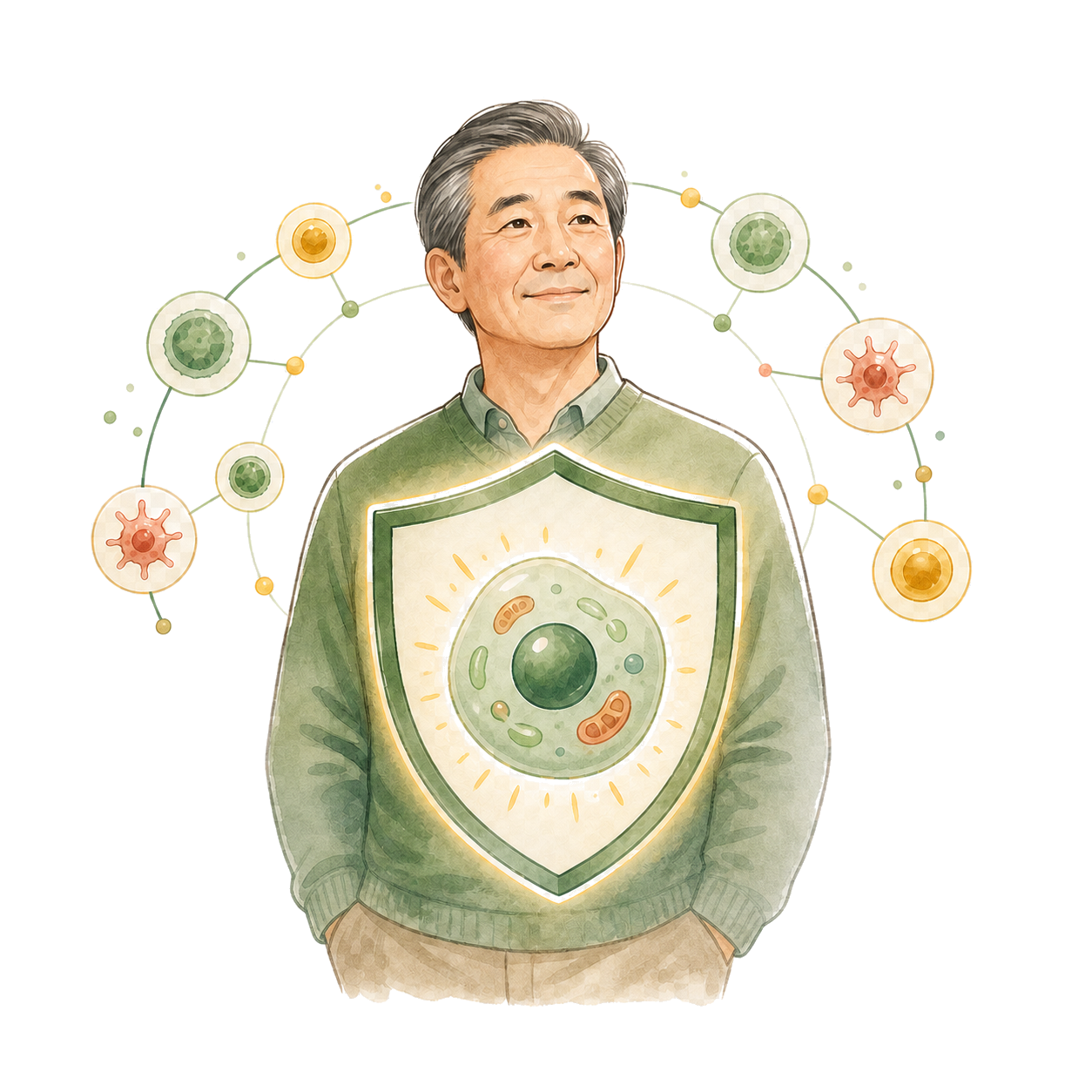
Illustration of immunity and cell care
01
immune balance
A defence system that responds to threats and settles when no longer needed, rather than staying maximally active at all times.
02
Immunosuppressant
Medicines that suppress parts of the immune system to treat disease or prevent transplant rejection. Ask the care team before vaccines or supplements.
03
Chemotherapy
Medicines used to destroy or control cancer cells. Treatment can affect immunity and interactions with other products at certain times.
04
Antioxidants
Antioxidants limit oxidation. A biological role does not prove that high-dose supplements prevent or treat disease.
05
Detox
"Detox" is often a marketing term. The liver, kidneys, lungs, and gut already process and eliminate waste. It is not a reason to stop medicines or fast.

Practical steps for daily life.

5 things you can choose to do one at a time

Start with what fits your life best, then make it a routine you can comfortably maintain.

  1. 01

    Choose varied, simply prepared meals with vegetables, beans, whole grains, fruit, and adequate protein.

  2. 02

    Reduce sugary drinks, fried foods, processed meats, and highly processed foods. Do not replace treatment with a detox regimen or a single food.

  3. 03

    Sleep adequately, move regularly, and manage existing conditions. Healthy immunity involves an appropriate, balanced response.

  4. 04

    Follow age-appropriate vaccination and screening guidance, wash your hands, and practise food safety to reduce infection risk.

  5. 05

    Confirm a nutrient deficiency before taking high-dose supplements, and tell your care team about every product you use.

In-depth articles · 3 topics

Understand the reasons and choose practical steps.

Understand how the body works and turn that knowledge into practical care, with guidance relevant to different life stages.

articles 01 / 03

Support a balanced immune response.

Balanced immune function depends on nutrition, sleep, movement, appropriate vaccines, and care for existing conditions.

Support balanced immune function with age-appropriate vaccines, adequate nutrition, sleep, movement, hygiene, and management of chronic conditions.

Protein, vitamins, and the microbiome contribute to immune biology. Appropriate supplementation starts with dietary gaps, test results, or clinical advice.

Try starting like this.

Choose one practical step at a time.

  • Review your vaccine history with a doctor or pharmacist and ask what is recommended for your age and conditions.
  • Build varied meals with protein, vegetables, and fruit before considering supplements.
  • Wash your hands, stay home when ill, and prioritise sleep. These everyday steps remain valuable.
Read more in the health article.See the article with more details.

articles 02 / 03

Plan age-appropriate immune protection.

Reviewing vaccines, nutrition, rest, medicines, and existing conditions helps tailor infection prevention across life stages.

Plan age-appropriate vaccines, manage existing conditions, prepare for illness, and seek prompt advice for signs of serious infection.

If you use immunosuppressants, chemotherapy, or high-dose steroids, or have reduced immunity, consult your care team before vaccinations or supplements. What suits the general population may not suit your situation.

Try starting like this.

Choose one practical step at a time.

  • Keep an up-to-date list of medicines, existing conditions, vaccinations, and drug allergies.
  • Ask about influenza, pneumococcal, shingles, and other vaccination according to Thai guidance.
  • Plan food, fluids, and recovery support in advance for times of illness.
Read more in the health article.See the article with more details.

articles 03 / 03

Support cellular health through nutrition, sleep, movement, and management of health conditions.

Cells require energy, protein, fats, vitamins, minerals, water, and oxygen. Supporting these needs together helps body systems function normally.

"Cell care" can mean practical habits: varied food, avoiding smoking, moving regularly, sleeping enough, managing blood pressure, glucose, and lipids, and addressing confirmed nutritional deficiencies.

Antioxidants from varied foods belong in a balanced diet. If considering high-dose supplements, especially during cancer or chronic disease treatment, ask the care team to check suitability and interactions.

Try starting like this.

Choose one practical step at a time.

  • Review food intake, medicines, supplements, sleep, and activity before adding a new product.
  • Address one clear gap first, such as insufficient protein or sleep.
  • Review the label, serving size, and possible medicine interactions with a pharmacist.
Read more in the health article.See the article with more details.