PGP · Health Map
Gut & Digestive Health
Support digestion, regular bowel movements, and gut balance for everyday comfort.
See 5 ways to get started.Start with suitable meals, daily routines, and gut care to support digestive comfort and an active life.
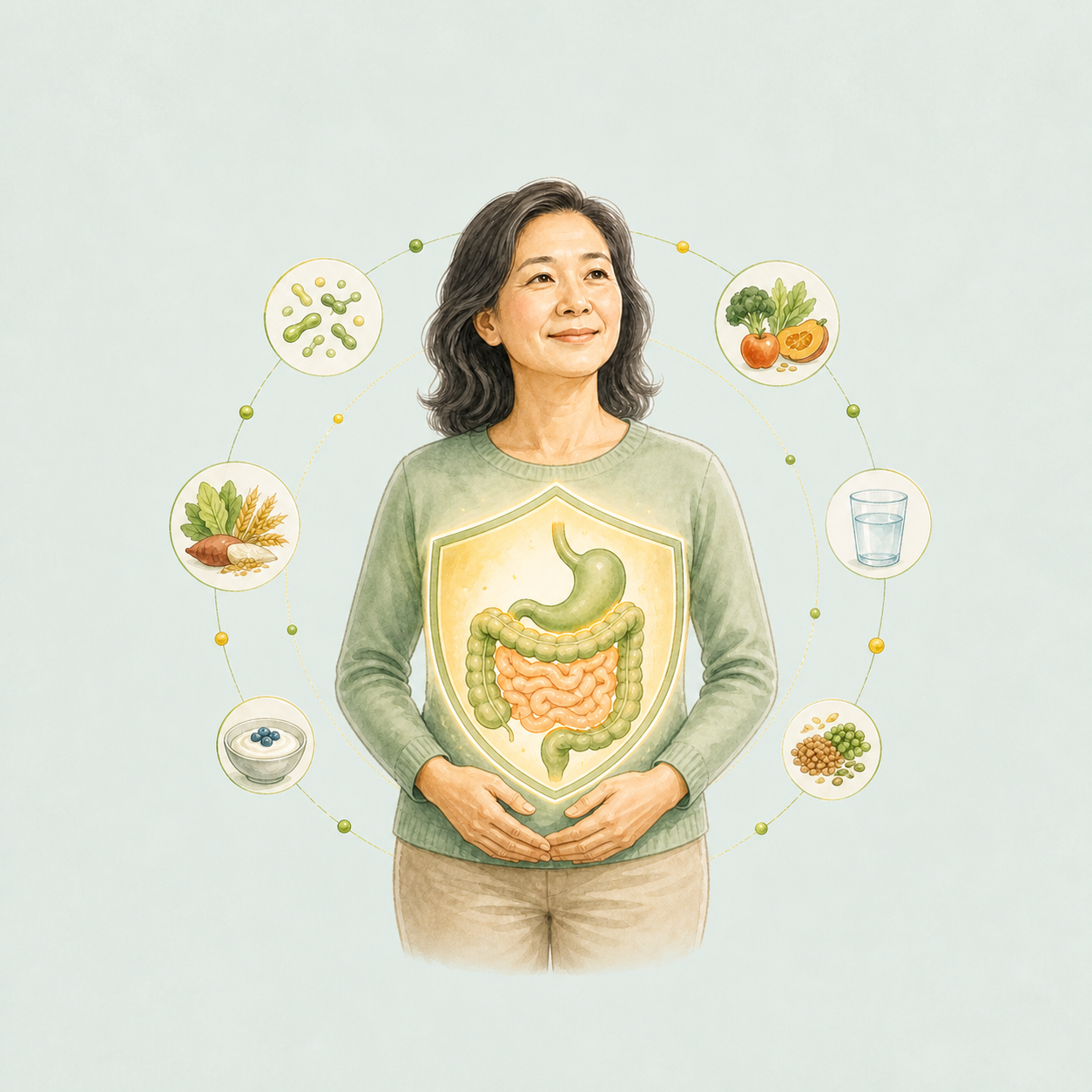
- Microbiome
- The community of microorganisms living in the body, including the gut. Its composition differs between individuals.
- Probiotics
- Live microorganisms with strain-specific evidence that can provide benefits when taken in appropriate amounts.
- Prebiotics
- Food components, including certain fibers, that the body does not fully digest but beneficial microorganisms can use.
- short chain fatty acids
- Compounds produced when certain microorganisms ferment fiber. They provide energy for gut-lining cells and contribute to the intestinal environment.
A healthy gut starts with a balanced microbiome.
The intestinal wall is like a “city wall” that absorbs nutrients and helps control what passes from the gut into the body
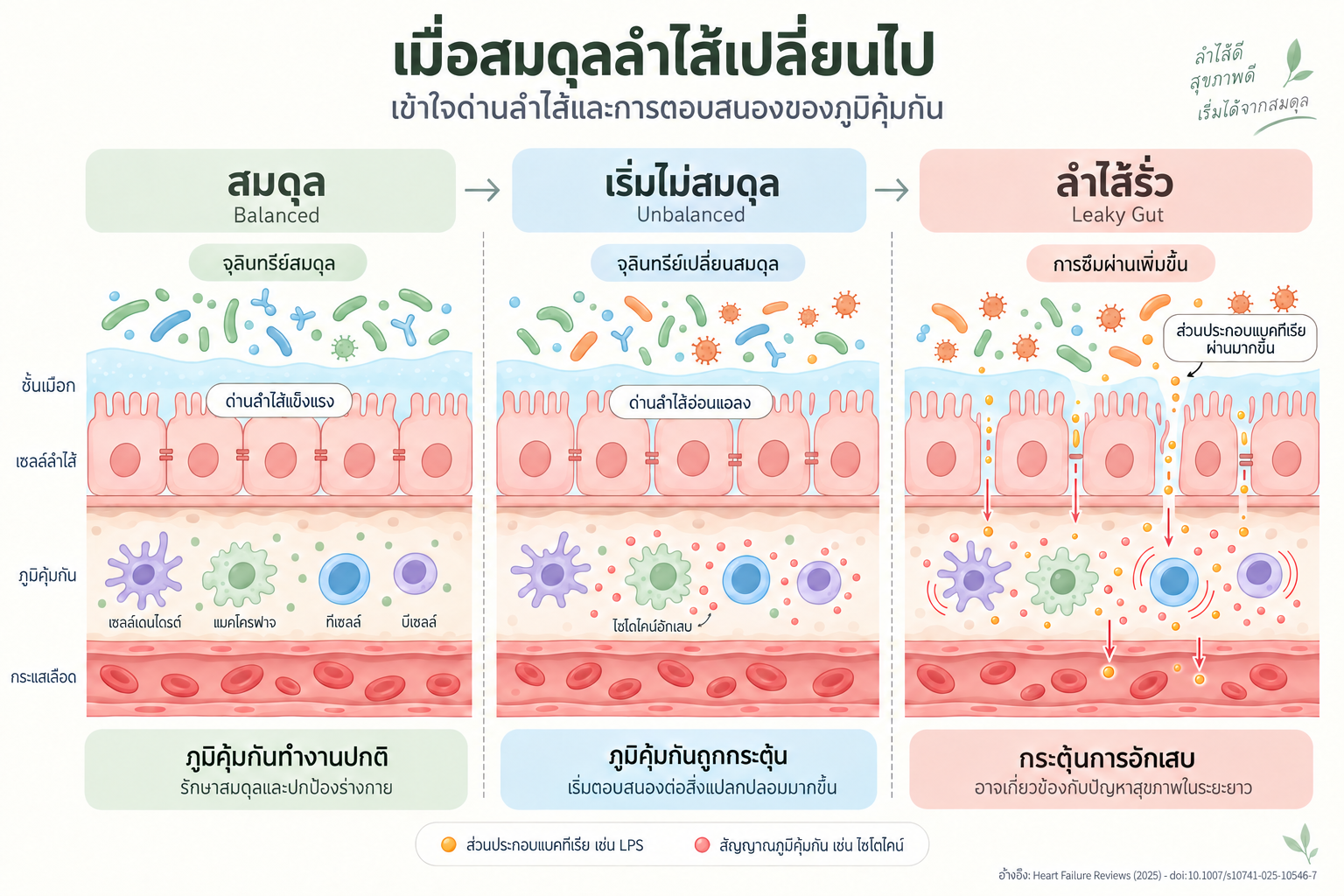
⚠️ What can weaken the intestinal barrier?
Regularly eating sugary, greasy, and processed foods with few vegetables can favour potentially harmful bacteria and allow them to multiply. An imbalance can contribute to intestinal inflammation. The illustration shows three states:
🟢 Phase 1: Balance — a strong barrier
Microorganisms coexist in balance. A protective mucus layer and closely connected intestinal cells help maintain the barrier, while immune function remains regulated.
🟡 Phase 2: Imbalance — a weakened barrier
As harmful bacteria increase in the context of sugary, fatty foods and insufficient fiber, the intestinal lining can become inflamed. Tight junctions between cells loosen, and the protective mucus layer becomes thinner.
🔴 Stage 3: Increased intestinal permeability (Leaky Gut)
When the intestinal barrier becomes more permeable, bacterial components such as LPS may cross it more readily and stimulate immune responses. Persistent immune activation can contribute to “chronic systemic inflammation”, which may be associated with longer-term health problems. Allergies, itchy rashes and unexplained fatigue can have many causes.
Three steps to support your intestinal barrier
- Limit foods that favour imbalance: Reduce sugar, refined flour, processed foods, and trans fats to limit foods that can favour an imbalanced gut microbiota.
- Support the helpful defenders: Choose foods that provide prebiotics. Examples include onions, garlic, bananas, and asparagus, which provide fibers used by beneficial microorganisms to produce short-chain fatty acids for the intestinal lining.
- Add beneficial microorganisms: Supplement with natural fermented foods that contain probiotics , such as kimchi, yogurt or kombucha, or consider a probiotic supplement with identified strains.
Practical steps for daily life.
5 things you can choose to do one at a time
Start with what fits your life best, then make it a routine you can comfortably maintain.
- 01
Gradually add vegetables, fruit, beans, and whole grains to supply fiber for the gut and its microorganisms.
- 02
Choose simply prepared meals and reduce sugary drinks, sweets, fried foods, and processed choices to support digestive comfort.
- 03
Keep meal timing and portions consistent, drink appropriately, and finish dinner at least three hours before bed if you have reflux.
- 04
Track food, bowel movements, sleep, and symptoms to understand your gut. Change one factor at a time to see what helps.
- 05
Seek prompt medical assessment for bleeding, weight loss, difficulty swallowing, severe pain, or a clear change in symptoms.
In-depth articles · 4 topics
Understand the reasons and choose practical steps.
Understand how the body works and turn that knowledge into practical care, with guidance relevant to different life stages.
articles 01 / 04
Everyday habits can support comfortable, regular bowel movements.
Fiber, water, movement, and regular toilet habits work together to support softer stools and comfortable bowel movements.
Fiber adds bulk and softness to stool. Water and movement also support comfortable bowel movements. Increase vegetables, fruit, beans, and whole grains gradually and drink an amount appropriate for your needs.
Establish a regular bowel routine by using the bathroom after breakfast. Do not hold it in when you feel the urge to have a bowel movement, and move regularly. If you often rely on laxatives, ask a healthcare professional to review the cause and help you choose a suitable approach.

Try starting like this.
Choose one practical step at a time.
- Increase fibre-rich foods gradually and monitor bloating.
- Try going to the bathroom 15 to 45 minutes after breakfast and give your body time.
- Record stool frequency and form, medicines, and food for seven days before your consultation.
articles 02 / 04
Digestive comfort and communication between the gut and brain.
The gut and brain continually exchange signals. Tracking meals, sleep, stress, and symptoms can help identify triggers and guide a more personal approach to bloating and bowel function.
- Understand gut sensitivities
Gut sensitivity to gas, food, or stretching can accompany faster or slower movement. Tracking symptoms helps guide diet and routine changes.
- Choose meals that feel comfortable to digest.
Replace sugary, greasy, and highly processed foods with gently prepared options that suit your digestion. Record meals and symptoms to identify personal triggers.
- Find the food that suits you.
Some carbohydrates draw water into the gut and produce gas during fermentation. A short adjustment followed by structured reintroduction can identify suitable foods without excessive restriction.

Try starting like this.
Choose one practical step at a time.
- Record food, symptoms, sleep, and stress to identify patterns rather than guessing.
- Replace one item at a time and evaluate for 2 to 4 weeks.
- If considering restriction of several food groups, work with a dietitian or doctor.
articles 03 / 04
Timing your meals reduces pressure in the stomach and helps calm acid reflux.
Suitable meal sizes, timing, and foods that do not trigger symptoms can reduce stomach pressure and reflux. Combine these changes with prescribed medicines for greater comfort during activity and rest.
- Take care of the cause of reflux
Reflux involves sphincter function, hiatal hernia, abdominal pressure, meal size, and timing. Consider these factors together.
- Choose balanced meals that are comfortable to digest.
Reduce sugary, greasy, and highly processed foods. Choose suitable portions of vegetables, beans, tofu, fish, and gently prepared foods that do not trigger symptoms.
- Use medicine for the prescribed duration.
Antacids relieve symptoms. Acid-suppressing medicines are used when indicated. If ongoing treatment is needed, review the reason and dose with your doctor.

Try starting like this.
Choose one practical step at a time.
- Keep a 14-day record of meal timing and size, fried foods, sugary drinks, coffee, alcohol, sleeping position, and symptom severity.
- Limit sugary, greasy, and highly processed foods, including sweetened drinks, desserts, fried foods, packaged snacks, and processed meats.
- Base meals on vegetables and plant foods that do not trigger symptoms. Increase fiber gradually, and replace processed or fatty meats with beans, tofu, fish, or lean protein.
- Cut back on large meals in the evening and finish your last meal at least 3 hours before lying down or sleeping.
- Review medicines, supplements, and the need for acid-suppressing treatment with your doctor or pharmacist. Do not stop regular medication yourself.
articles 04 / 04
Explore probiotics, gut balance, and 25 areas of health.
The large intestine absorbs water, helps regulate bowel movements, and houses many microorganisms. Choosing probiotics by strain and intended purpose offers one approach to informed gut care.
Beneficial gut microorganisms help break down remaining fiber and produce short-chain fatty acids. These provide energy for cells lining the gut, support the mucus barrier, and participate in immune signaling. Gut balance is therefore linked with digestive comfort, bowel regularity, and overall health.
When choosing probiotics, look beyond the microorganism count to the full name and strain code. Different strains have different roles. Matching the strain to your goal makes it easier to relate your choice to the available research.
This map covers 25 areas linking probiotics with health, from bowel function and the gut barrier to energy metabolism and gut-brain communication, with guidance for understanding each context.

25 health dimensions · 5 important roles
Explore the full overview of probiotic benefits.
Begin with digestive comfort and bowel regularity, then explore the gut, metabolism, immunity, brain, and aging to understand strain-specific goals.
Digestive system balance
Restoring intestinal balance during periods of disturbed digestion.
Evidence supports specific formulations and strains in certain settings. Choosing according to the situation matters.
- 01Antibiotic-associated diarrhoea.
Certain probiotic strains have evidence for reducing antibiotic-associated diarrhea in children and younger adults. Effects depend on the specific strain and context.
- 02Intestinal infection while taking antibiotics
Certain probiotic formulations have been studied for maintaining microbial balance and reducing specific bacterial complications during antibiotic use. Follow the care team's guidance when choosing one.
- 03Pouchitis: inflammation of an ileal pouch after colon surgery.
After colon surgery, an internal pouch may be formed from the small intestine. Certain multi-strain probiotic formulations have evidence for maintaining remission in some patients when used under a gastroenterologist's plan.
- 04Constipation in adults
Certain probiotic strains have evidence relating to bowel movement frequency. Consider them alongside fiber, water, and movement.
- 05Chronic ulcerative colitis
Some probiotic formulations have been studied as an addition to gut care, alongside a doctor's treatment plan to control inflammation.
Everyday digestive comfort.
Support digestive comfort and regular bowel movements.
Research covers a range of probiotics. Choose a strain according to symptoms, goals, and individual clinical advice.
- 06irritable bowel syndrome
Certain formulations have been studied for digestive comfort, bloating, and bowel patterns. Assess a specific goal and monitor individual response.
- 07Crohn's disease, a form of inflammatory bowel disease.
Microorganisms and intestinal inflammation are an active research area. Discuss probiotic choices within your medical care plan.
- 08Acute infectious diarrhea
Probiotic effects depend on strain, age, and setting. Rehydration and electrolyte replacement come first, with care directed at the cause.
- 09Travellers' diarrhoea.
Certain probiotic strains have been studied in travelers. Safe water, hygiene, and freshly cooked food remain important.
- 10Colon diverticulum
Gut balance is being studied. Start with appropriate fiber, fluids, and an individual care plan.
The intestines and metabolism
Communication between the gut and the metabolic system
Gut microorganisms interact with energy, glucose, fat, and liver metabolism, making them an active research area.
- 11Obesity
The microbiome is linked with energy use and diet. Consider probiotics within a routine of balanced meals, adequate sleep, and regular movement.
- 12type 2 diabetes
Probiotics have been studied in insulin response and blood glucose regulation as an addition to nutrition, activity, and the main treatment plan.
- 13Metabolic fatty liver disease.
Gut-liver communication is involved in metabolism. Probiotics are being studied alongside diet, weight management, and activity.
- 14Blood lipids and heart disease
Some probiotic trials report changes in blood lipids. This is an additional area of interest within cardiovascular care, alongside managing LDL cholesterol, blood pressure, and blood sugar and avoiding smoking.
- 15high blood pressure
Microbial products are linked with blood vessel function. Gut care belongs within a wider plan of diet, movement, and prescribed medicines.
Intestinal barrier and immunity.
Supporting the intestinal barrier and its interaction with immunity.
The gut lining, microorganisms, and immune system interact. Consider appropriate food and strain-specific evidence when assessing probiotics.
- 16allergic skin rash
Some probiotic formulas have been studied in pregnancy, infants, and children, with results depending on the strain, time period, and family context.
- 17Food allergies and asthma
The early microbiome is associated with immune development, an area relevant to childhood nutrition and gut research.
- 18Colds and respiratory infections
Certain probiotic strains have been studied for respiratory outcomes. They are additional to vaccination, handwashing, sleep, and ventilation.
- 19Conditions in which the immune system attacks the body's own tissues.
Microbiome-immune communication is an active research area alongside established treatment and condition-specific nutrition.
- 20Colon cancer
The microbiome is a major area of colon-health research. Age-appropriate screening, fiber, movement, and avoiding smoking remain important.
Gut, brain, and healthy aging
The gut, brain, sleep, and healthy ageing.
Gut-brain signals travel through neural, hormonal, and immune pathways, linking digestion with mood, rest, and energy.
- 21Anxiety and depression
Certain strains have been studied in gut-brain communication. Consider them alongside sleep, stress management, and appropriate mental health care.
- 22sleep quality
Some studies examine links with sleep quality. Consider the strain and dose, and monitor your own response.
- 23Memory and dementia
Microbiome-brain communication is being studied in memory and aging. Sleep, movement, and vascular health remain important.
- 24osteoporosis
Gut function is being studied in relation to mineral absorption and bone mass. Protein, calcium, vitamin D, and resistance exercise remain foundations.
- 25Frailty and muscle mass in old age
Gut-muscle communication is an area of growing research interest. Adequate protein, resistance exercise, and management of existing conditions remain important.
Try starting like this.
Choose one practical step at a time.
- Gradually add prebiotic foods such as vegetables, fruit, beans, and whole grains to nourish beneficial gut microbes.
- Choose a probiotic that clearly lists the genus, species, strain code, viable count through expiry, and storage instructions.
- Choose an observable goal, such as digestive comfort or bowel frequency, and review progress at the interval on the label or recommended by a professional.