Easy-to-understand health information
Iron deficiency anaemia.
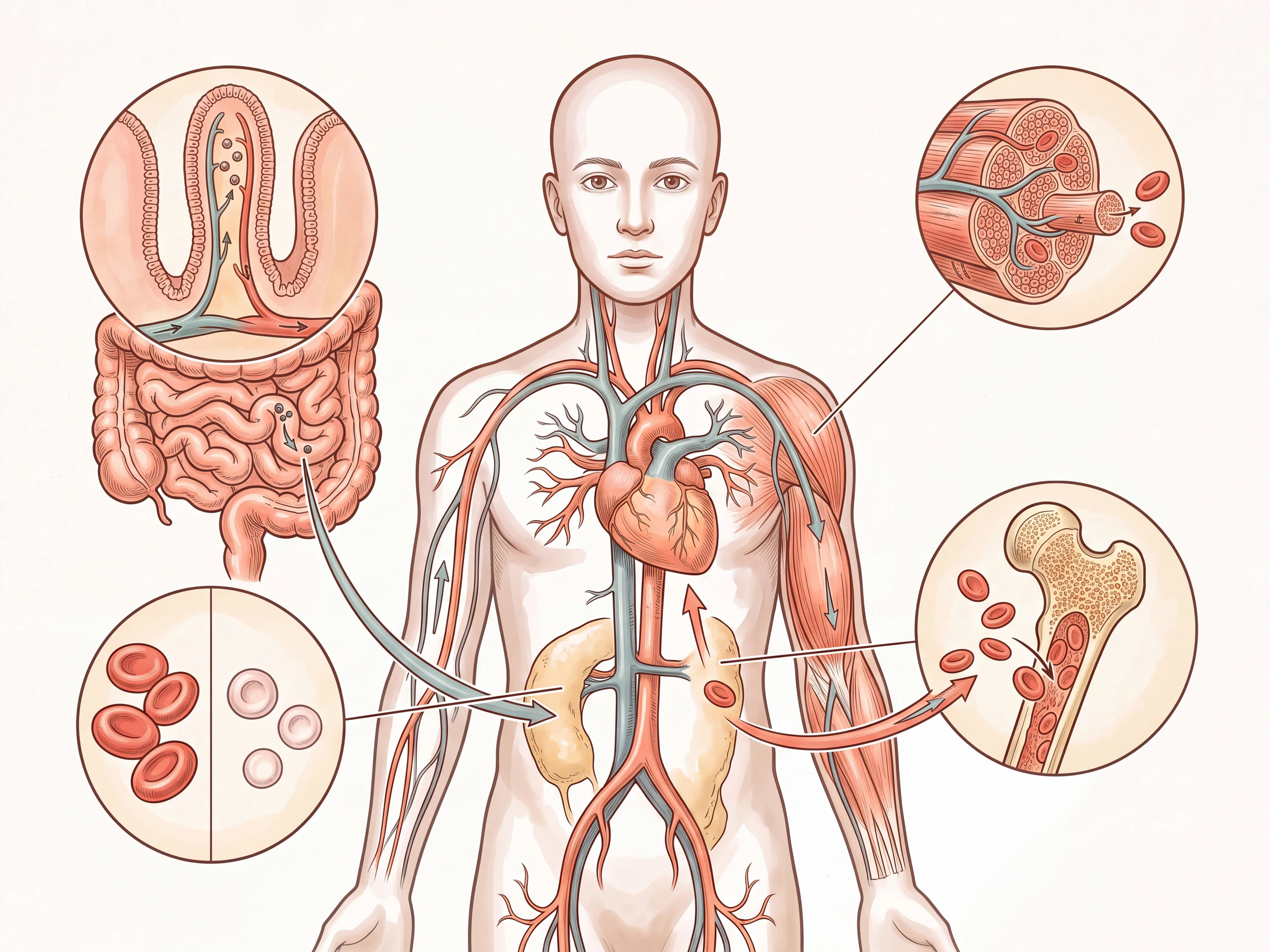
Iron deficiency reduces hemoglobin production and oxygen transport. Identify whether it results from intake, absorption, or blood loss.
Summary before reading further
What is this topic, and why does it matter?
Symptoms can include fatigue, palpitations, pallor, headache, poor concentration, exertional breathlessness, cold hands and feet, or cravings for nonfood substances such as ice. Some people have no symptoms until hemoglobin is very low.
Common causes include heavy periods, gastrointestinal bleeding, pregnancy, inadequate iron intake, and poor absorption. A complete blood count and ferritin test help assessment, but results must be interpreted with inflammation and medical history in mind.
Health glossary
- CBC and MCV
- A CBC is a complete blood count. MCV measures average red blood cell size and helps investigate anemia alongside other results.
What happens in the body?
Explain the mechanism step by step.
Iron deficiency can result from inadequate intake, heavy periods, gastrointestinal bleeding, pregnancy, or poor absorption. Identify the cause rather than taking iron long term without assessment.
Iron stores fall
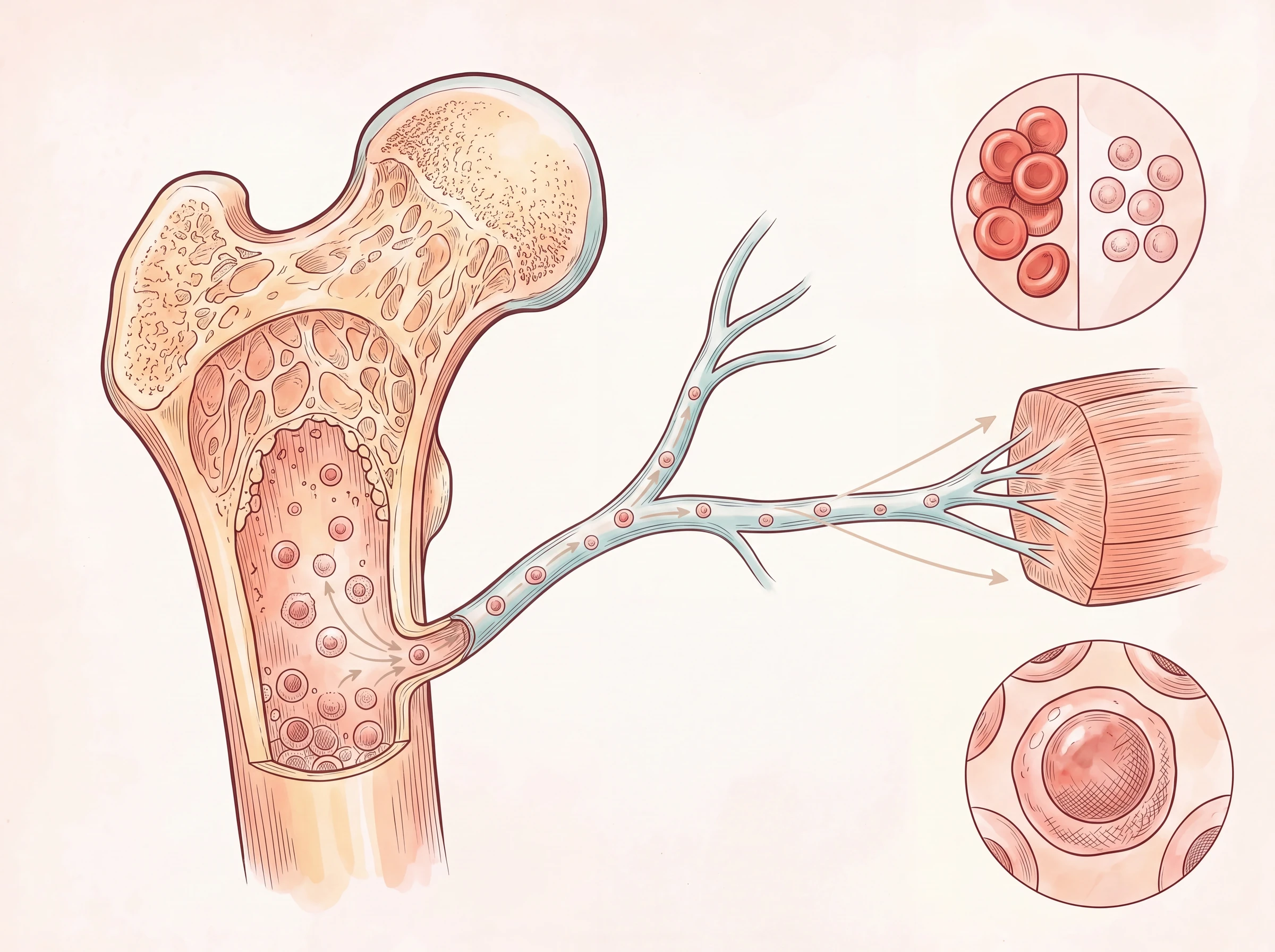
Iron stores fall first, followed by insufficient iron delivery to the bone marrow.
Less hemoglobin is produced
New red blood cells become smaller and paler.
Tissues receive insufficient oxygen.
The heart and breathing must work harder, causing fatigue, palpitations, or dizziness.
Values or criteria that you should know
Establish whether anaemia is present, whether iron stores are low, and whether there is a source of blood loss.
Hemoglobin measures the oxygen-carrying protein in blood, while ferritin helps assess iron stores. Inflammation can raise ferritin independently of iron stores.
Hemoglobin Hb
Units: grams per deciliter according to WHO criteria
- Reference range
- Anemia is defined as less than 13 g/dL in men, less than 12 g/dL in non-pregnant women, and less than 11 g/dL in pregnant women.
- You should make an appointment for an evaluation.
- Assess anaemia severity using age, symptoms, heart disease, how quickly haemoglobin has fallen, and the cause. Transfusion decisions cannot rely on one number alone.
- Should be evaluated urgently
- Chest pain, fainting, breathlessness at rest, severe palpitations, black stools, or ongoing bleeding require urgent assessment.
Ferritin
A protein that reflects iron stores.
- Reference range
- Less than 15 µg/L in adults supports depleted iron reserves according to WHO criteria.
- You should make an appointment for an evaluation.
- Ferritin that is not low does not exclude iron deficiency during inflammation or kidney or liver disease. Consider transferrin saturation and other findings.
- Should be evaluated urgently
- Men and postmenopausal women with iron deficiency need assessment for gastrointestinal blood loss, rather than iron supplementation alone.
Causes · Symptoms · Examination · Care
See important information in one place.
Causes and related factors
- Heavy periods or bleeding from the digestive tract
- Low iron intake or increased needs during pregnancy or growth.
- Stomach, intestinal disease, or surgery that reduces absorption
Common symptoms
- Paleness, fatigue, breathlessness on exertion, or palpitations.
- Dizziness, headache, cold hands and feet
- Some people develop brittle nails, a sore tongue, or cravings for non-food substances.
How do doctors check?
- A full blood count assesses haemoglobin and blood cell size and colour.
- Ferritin and other iron studies help confirm deficiency.
- Assess sources of blood loss, including menstrual and gastrointestinal bleeding, according to age and risk.
Start taking care of it systematically.
- Add foods containing iron and vitamin C as appropriate.
- Take iron according to the dosage and duration recommended by your doctor.
- Go to hospital for black stools from bleeding, vomiting blood, chest pain, fainting, or breathlessness at rest.
Important things you should know
Keep these points in mind.
Identify the cause rather than adding iron alone.
Iron deficiency in men and postmenopausal women often requires assessment for gastrointestinal bleeding.
Ferritin reflects iron stores, but inflammation can raise it.
In chronic inflammatory disease, a doctor may assess transferrin saturation, blood cell appearance, and other markers together.
Response to iron must be monitored.
If hemoglobin or symptoms do not improve, review adherence, absorption, ongoing blood loss, and alternative diagnoses.
Daily food and care
Replace iron adequately and address the cause of its loss.
- Choose iron sources such as lean meat, fish, eggs, beans, tofu, seeds, and leafy greens, with vitamin C-containing foods to aid absorption.
- Separate tea, coffee, and high-dose calcium from iron-containing meals or iron supplements. Do not increase iron without confirmation; excess can be harmful.
Read on to understand.
Read on for complete information on health and products.
Main references