Easy-to-understand health information
Tuberculosis
Tuberculosis spreads through the air and remains an important health concern in Thailand. Early diagnosis, completing treatment, and assessing close contacts help prevent further transmission.
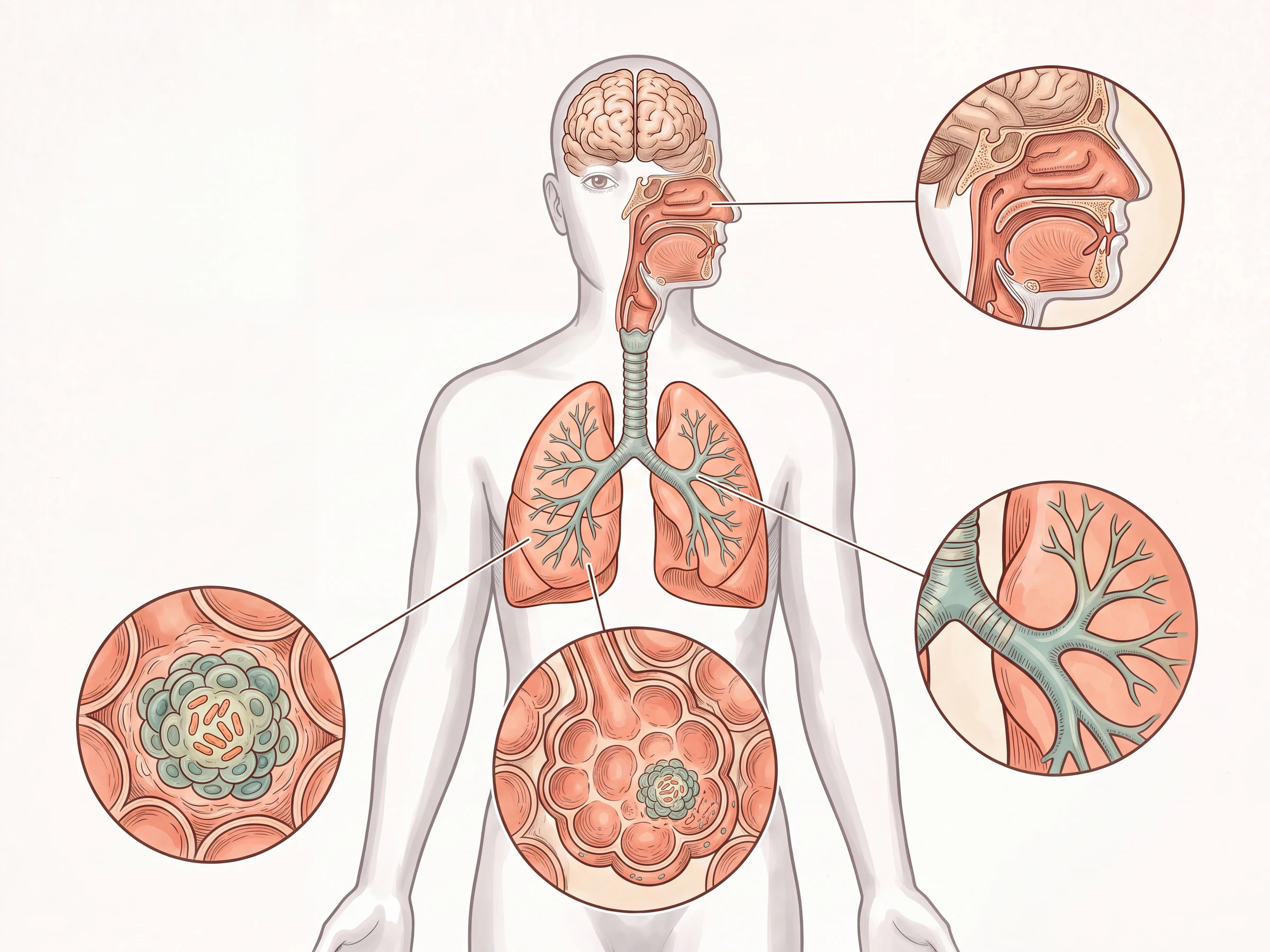
Summary before reading further
What is this topic, and why does it matter?
Persistent cough, low-grade fever, night sweats, weight loss, and fatigue warrant assessment. Latent TB causes no symptoms and is not infectious.
Diagnosis may use sputum testing, molecular tests, chest imaging, and culture. Complete the prescribed multidrug course to treat infection and prevent resistance.
Health glossary
- HIV
- A virus that attacks immune cells. Ongoing antiretroviral treatment controls the virus and reduces illness.
- IGRA
- A blood test that detects an immune response to tuberculosis. Results must be interpreted alongside symptoms and chest imaging.
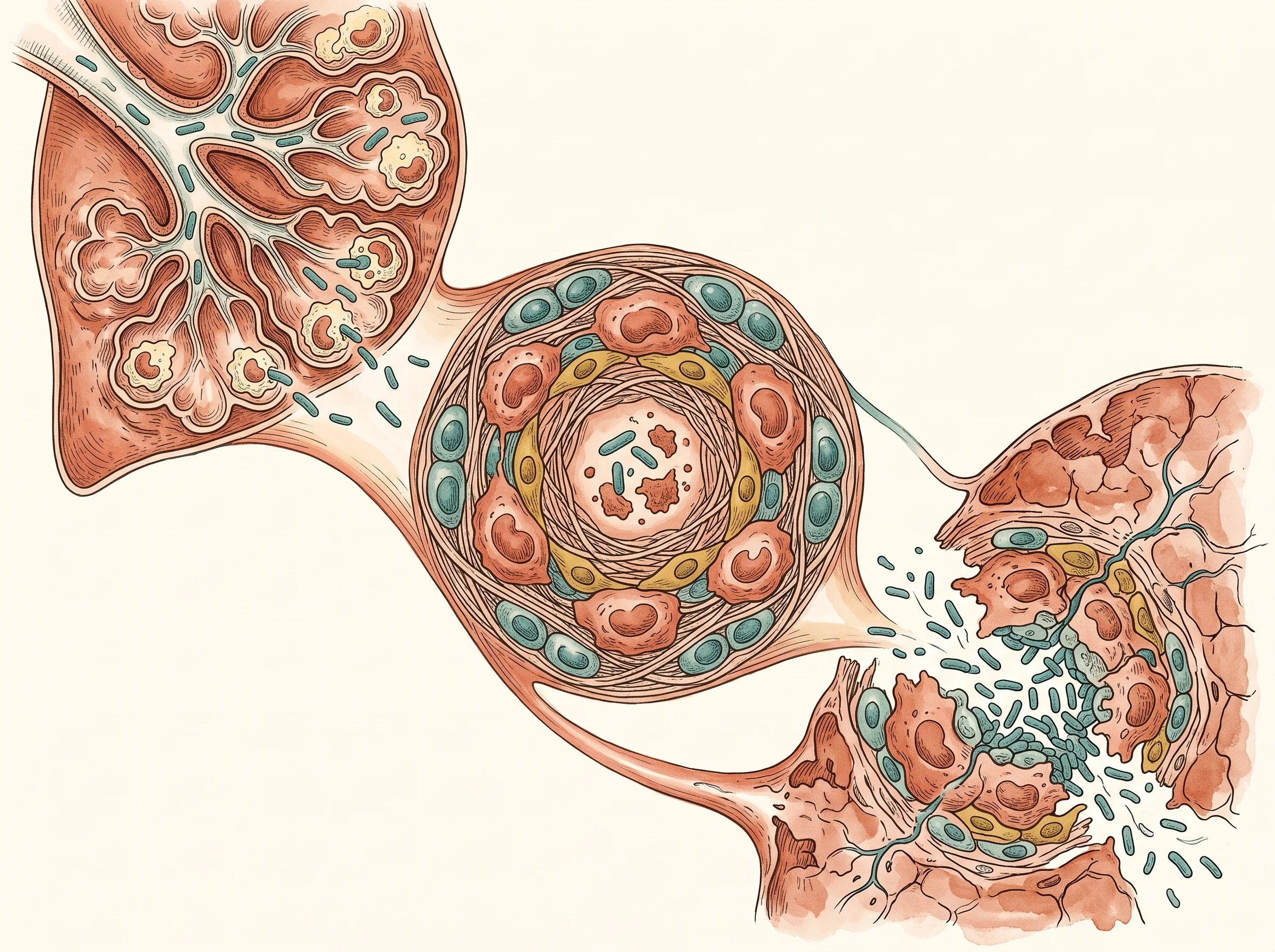
What happens in the body?
Explain the mechanism step by step.
Active TB risk is higher soon after infection and when immunity is reduced, including with HIV, diabetes, malnutrition, immunosuppressive treatment, or kidney failure. Completing treatment is essential for recovery and preventing drug resistance.
Inhaling bacteria into the lung's air sacs.
Small droplets are in the air and reach deep into the lungs.
Immune system creates granuloma
Macrophages and T cells contain the bacteria, allowing latent infection.
Immune containment of infection fails.
TB bacteria multiply and damage the lungs. Active pulmonary disease can spread through the air, and infection may also spread within the body to other organs.
Values or criteria that you should know
Symptoms lasting weeks warrant sputum testing and chest imaging. An X-ray alone is not enough.
A positive test for TB infection does not alone distinguish latent infection from active disease. Further assessment is needed.
Cough duration
a persistent cough
- Reference range
- Common colds usually get better with time.
- You should make an appointment for an evaluation.
- A cough lasting three weeks or more, especially with night fever, sweating, weight loss, or exposure to someone with TB, warrants testing.
- Should be evaluated urgently
- Coughing up blood, breathlessness, severe chest pain, or marked fatigue need urgent assessment.
Infection test results
Sputum NAA, smear and culture
- Reference range
- Nucleic acid amplification tests rapidly detect genetic material. Culture remains important for assessing drug susceptibility.
- You should make an appointment for an evaluation.
- A single negative result does not rule out TB if symptoms and lung imaging are suspicious.
- Should be evaluated urgently
- Do not stop or skip TB medication yourself. This increases the risk of treatment failure and drug resistance.
Causes · Symptoms · Examination · Care
See important information in one place.
Causes and related factors
- Close contact in a closed air space
- HIV, diabetes, chronic kidney disease, malnutrition, and immunosuppressants
- Higher exposure settings include prisons, crowded housing, healthcare work, and migration from high-prevalence areas.
Common symptoms
- Prolonged cough, low fever, night sweats, weight loss
- Coughing up blood, chest pain, or fatigue
- Extrapulmonary TB causes symptoms in the affected organ.
How do doctors check?
- Chest x-ray along with sputum molecular test and culture.
- A skin test or IGRA detects TB infection but cannot distinguish active disease on its own.
- Drug susceptibility testing to guide the treatment regimen.
Start taking care of it systematically.
- Take the full prescribed regimen daily and attend follow-up appointments.
- Ventilate, wear a mask, and trace contacts.
- Screen and treat latent tuberculosis in people at risk.
Important things you should know
Keep these points in mind.
It spreads through the air, not from shaking hands.
Poor ventilation and prolonged close contact increase TB transmission risk. Ventilation and appropriate masks help reduce it.
Improved symptoms do not mean medication can be stopped.
Bacteria may remain after symptoms improve. Missed treatment can cause relapse and drug resistance.
Contacts should be screened.
Children, people with HIV, older adults, and people on immunosuppressant drugs are at higher risk of becoming sick after infection.
Daily food and care
Start with manageable everyday steps.
- Get enough energy and protein for recovery, limit alcohol, and report nausea or signs of liver problems during medication treatment.
- Food supports nutrition but does not kill TB bacteria or replace a complete course of medication.
Read on to understand.
Read on for complete information on health and products.
Main references