Easy-to-understand health information
Common cancers
Cancer is not one disease. Explore modifiable risks, vaccines, and individualized screening for prevention and earlier detection.
Summary before reading further
What is this topic, and why does it matter?
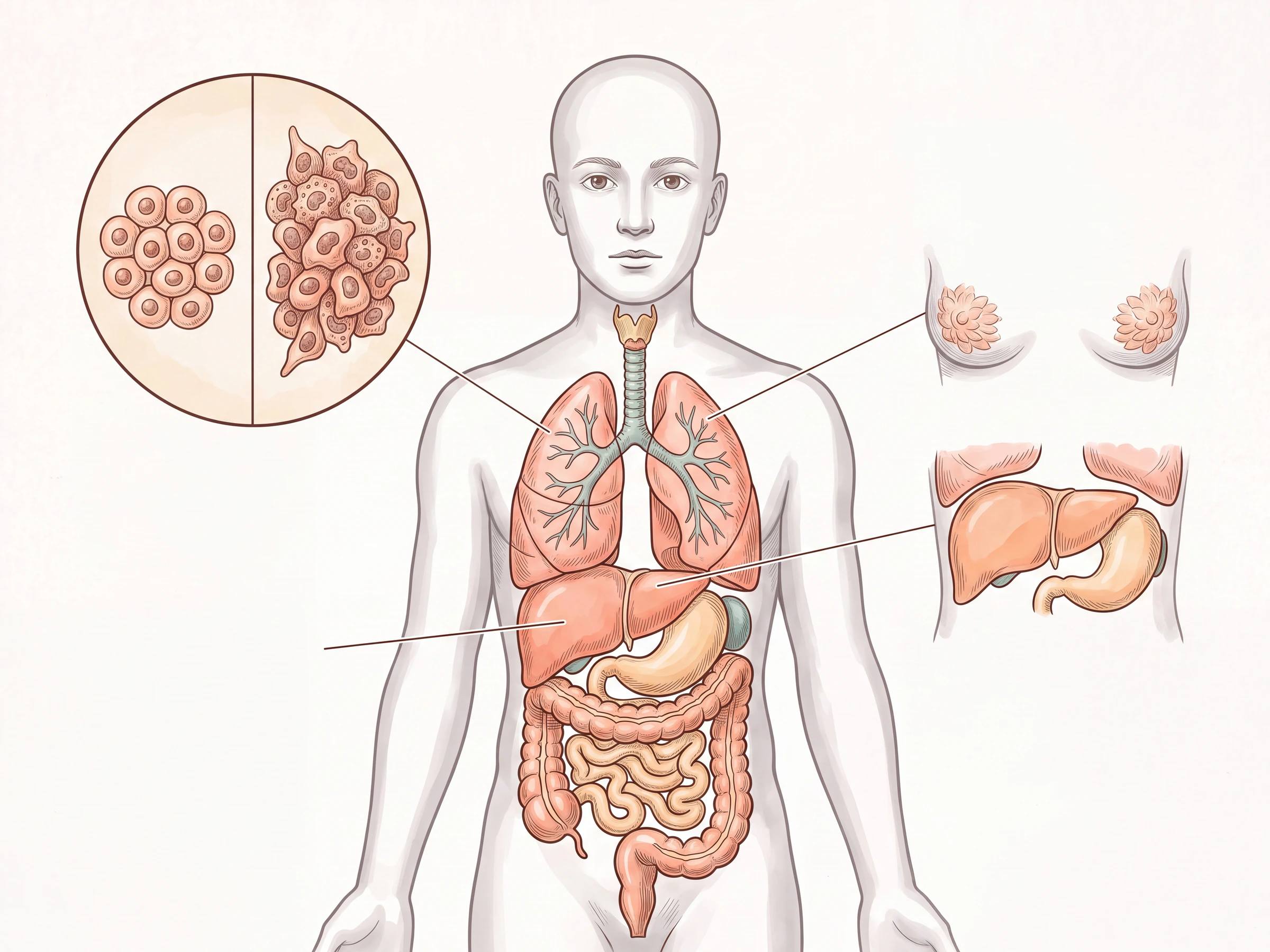
Cancer involves abnormal cells growing and spreading without normal control. Causes and risk patterns vary by type and can involve age, genetics, carcinogen exposure, infections, and lifelong habits.
Explore common cancers by organ, including modifiable risks, relevant vaccines and screening, and when to speak with a doctor based on age, family history, and personal risk.
Health glossary
- HPV
- A group of viruses transmitted through close contact. Certain types increase cancer risk, but infection does not mean everyone will develop cancer.
- PSA
- A substance made by the prostate and measurable in blood. A high PSA does not always mean cancer; interpret it with age, symptoms, and other findings.
- H. pylori
- A bacterium that can cause gastritis and ulcers. Appropriate testing guides diagnosis and treatment.
What happens in the body?
Explain the mechanism step by step.
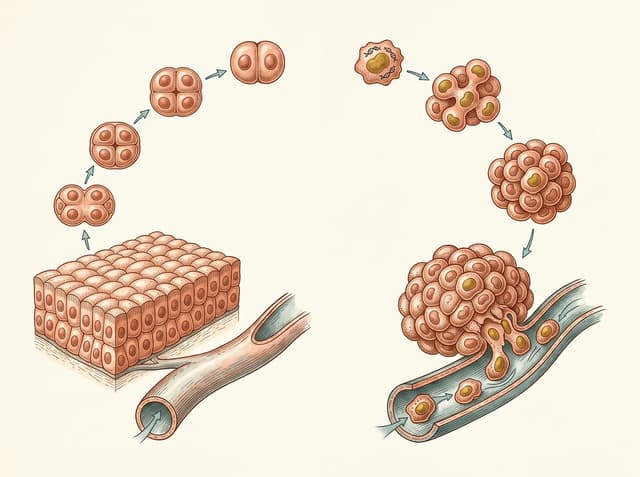
Cancer risk reflects combinations of age, genetics, infection, carcinogens, hormones, inflammation, and cell division. Screening depends on age, sex, history, and guidelines. No single test detects every cancer.
DNA damage accumulates.
Genes that drive cell division become overactive, or genes that restrain growth and repair damage lose function.
Cells evade normal growth controls.
Cancer cells develop a blood supply, evade immune defences, and survive longer than normal.
Local invasion or spread.
Cancer cells invade surrounding tissue, enter blood vessels, and establish growth in other organs.
Values or criteria that you should know
Screening must match cancer type, age, and risk.
No single tumor marker rules out all cancer. Screening methods and intervals vary, with recommendations influenced by local guidance and family history.
large intestine and rectum
Asymptomatic people at average risk.
- Reference range
- Screening begins at age 45 years and continues up to 75 years according to the chosen method.
- You should make an appointment for an evaluation.
- Between ages 76 and 85, screening is considered individually based on health and previous screening.
- Should be evaluated urgently
- Blood in the stool, paleness, weight loss, or changed bowel habits need assessment at any age. Do not wait until screening age.
breast cancer
Women at average risk.
- Reference range
- USPSTF guidelines recommend mammograms every 2 years for ages 40–74.
- You should make an appointment for an evaluation.
- People with a BRCA variant, a strong family history, or previous chest radiotherapy need an individual screening plan.
- Should be evaluated urgently
- Arrange assessment for a new breast lump, skin dimpling, nipple retraction, or bloody nipple discharge. Do not wait for routine screening.
lung cancer
Annual low-dose CT for eligible people.
- Reference range
- Aged 50–80, with at least a 20 pack-year smoking history, and currently smoking or having quit within the past 15 years.
- You should make an appointment for an evaluation.
- A standard chest X-ray cannot replace low-dose CT for lung cancer screening.
- Should be evaluated urgently
- Coughing up blood, new breathlessness, chest pain, or weight loss need diagnostic assessment, rather than routine screening.
Tumor markers
such as AFP, CA-125, CEA or PSA.
- Reference range
- There is no single normal value that can rule out all types of cancer.
- You should make an appointment for an evaluation.
- Use when indicated, interpreting results alongside symptoms, imaging, and tissue findings.
- Should be evaluated urgently
- Do not use multiple self-purchased tests to decide that cancer is present or excluded.
Causes · Symptoms · Examination · Care
See important information in one place.
Causes and related factors
- Tobacco, alcohol, UV rays and carcinogens from work
- HPV, hepatitis B/C, and H. pylori
- Age, genetics, obesity, inactivity and highly processed foods
Common symptoms
- A new lump, unusual bleeding, or unintentional weight loss.
- Persistent cough, swallowing difficulty, or lasting changes in bowel habits.
- Symptoms depend on the organ and are often nonspecific.
How do doctors check?
- Cervical, breast, colorectal, and lung screening according to eligibility.
- Imaging helps locate a lesion; a biopsy identifies its type.
- Gene or molecular testing to select certain types of treatment
Start taking care of it systematically.
- Do not smoke, limit alcohol, and manage weight.
- HPV and hepatitis B vaccination
- Get screened on time and see a doctor when symptoms persist.
Important things you should know
Keep these points in mind.
Lung cancer risk reduction starts with stopping smoking.
Smoking is the main risk factor, alongside secondhand smoke, radon, pollution, and certain workplace exposures. Not starting smoking, or quitting, is the most effective risk-reduction step. Avoid smoke exposure and discuss low-dose CT screening if your smoking history meets the relevant clinical criteria.
ReferencesCDCBreast cancer: age, inherited risk, and lifestyle.
Risk increases with age, family history, certain genes, and hormonal factors. Managing weight, staying active, and reducing or avoiding alcohol can help reduce risk. Discuss mammography with your doctor based on your age and risk, as it can help detect disease earlier.
ReferencesCDCColorectal cancer: balanced meals and timely screening.
Age, a family history of polyps or cancer, chronic inflammatory bowel disease, and genetics affect risk. Modifiable factors include avoiding smoking, reducing alcohol, processed meat, and high-fat foods, eating more fruit, vegetables, and fiber, staying active, and managing weight. Screening can also identify and remove polyps before they become cancerous.
ReferencesCDCHPV vaccination and screening help prevent cervical cancer.
Persistent infection with high-risk HPV is the main cause. HPV vaccination helps prevent new infections with cancer-causing types. HPV and Pap tests can identify precancerous changes so they can be treated before progression. Screening remains important after vaccination.
ReferencesCDCLiver cancer: hepatitis management and fatty liver care.
Chronic hepatitis B or C, cirrhosis, alcohol, fatty liver, excess weight, diabetes, and aflatoxin exposure increase risk. Key measures include hepatitis B vaccination, hepatitis C testing and treatment when indicated, reducing alcohol, avoiding smoking, staying active, and managing weight.
ReferencesCDCProstate cancer and benign enlargement are different conditions.
An enlarged prostate is not cancer and does not mean it will become cancerous. Prostate cancer risk increases with age and family history. PSA testing has benefits and limitations, so discuss testing with your doctor rather than drawing conclusions from a single result.
ReferencesCDCThe same basic factors reduce many types of risk.
Avoid smoking, limit or avoid alcohol, manage weight, stay active, receive appropriate vaccines, and reduce carcinogen exposure. These are important foundations, but no single food or product prevents every cancer.
ReferencesWHOCANCER TOPICS · OPEN THE RIGHT TOPIC
Choose to read about each type of cancer.
These symptoms often have noncancerous causes. They do not confirm cancer, but persistent, recurrent, or worsening symptoms need assessment.
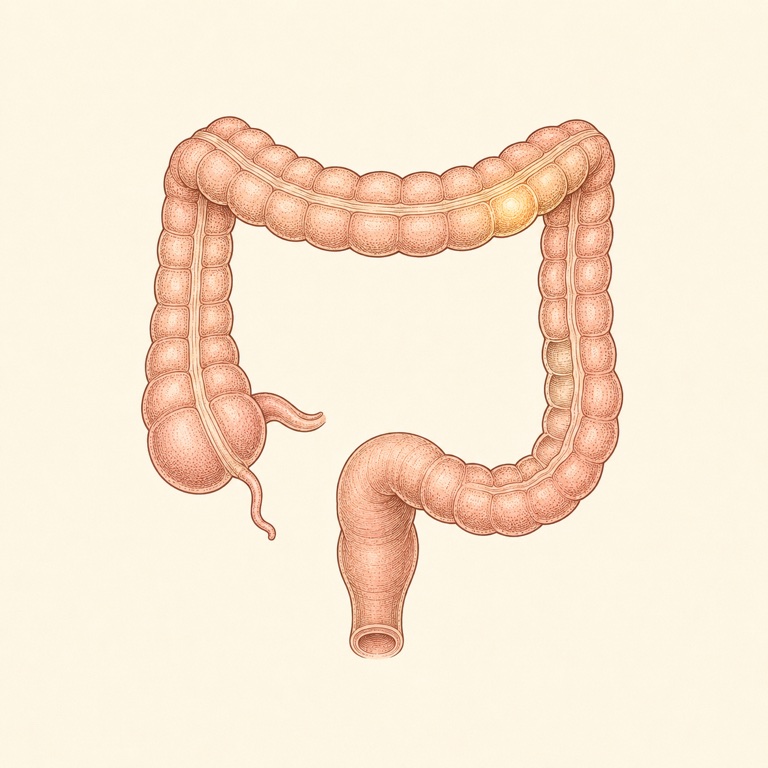
Colon and rectal cancer
Cancer that begins in the colon or rectum. Some cases develop from polyps that can be found and removed before they become cancerous.
- What can you take care of?
- Discuss screening based on age and risk. Eat fiber-rich plant foods, reduce processed meat, avoid smoking, and move regularly.
- When should I go get checked?
- See a doctor for blood in the stool, black stools, persistent changes in bowel habits, paleness, or unintentional weight loss.
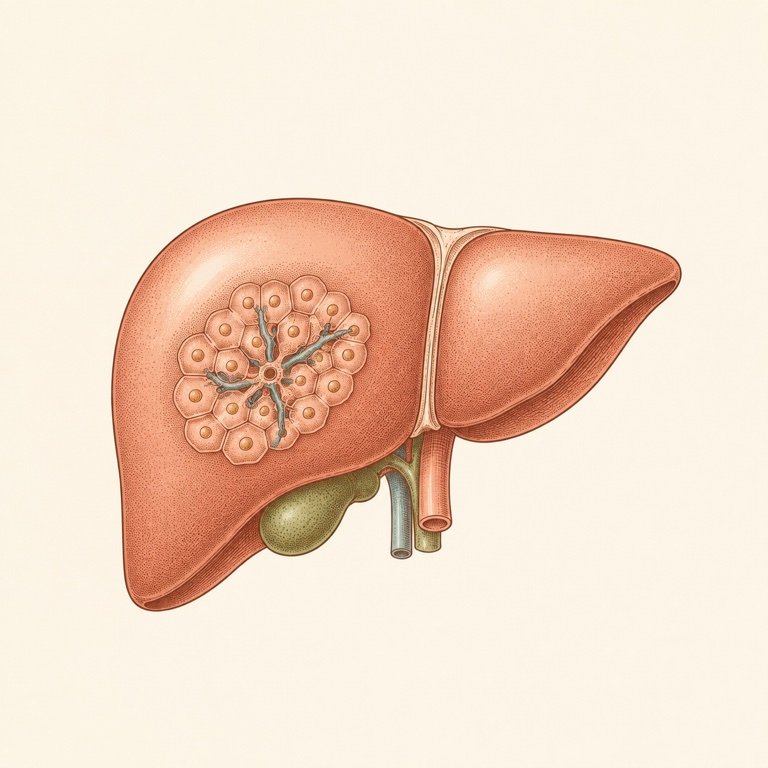
Liver cancer
Liver cancer often develops in a chronically damaged liver, particularly with hepatitis B or C or cirrhosis.
- What can you take care of?
- Test for viral hepatitis when appropriate, receive hepatitis B vaccination if indicated, reduce alcohol, and attend recommended liver follow-up.
- When should I go get checked?
- See a doctor for yellowing of the skin or eyes, abdominal swelling, persistent pain under the right ribs, weight loss, or vomiting blood.
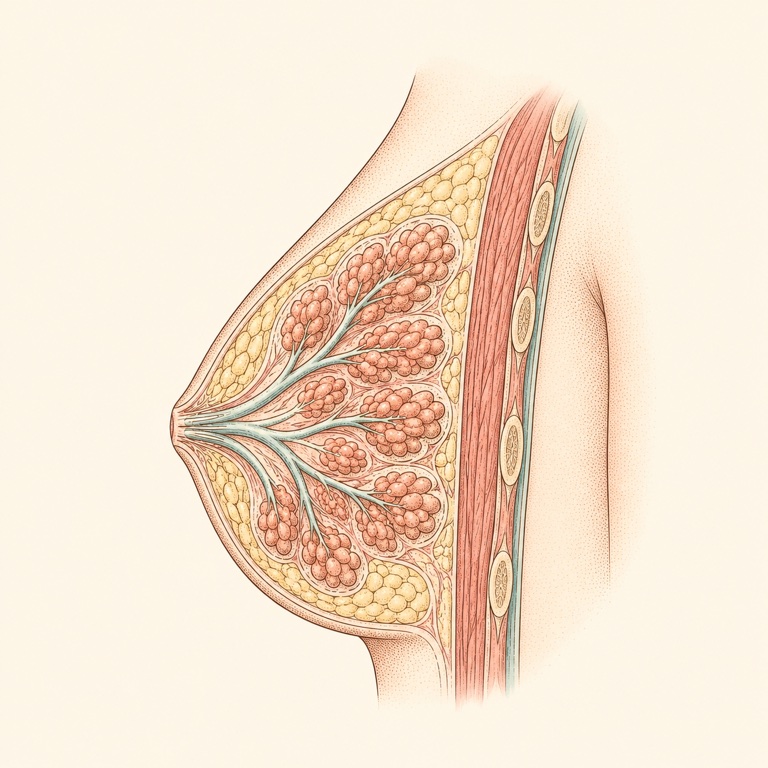
breast cancer
Abnormal growth of breast cells. Many breast lumps are not cancer, but any new lump or change should be checked.
- What can you take care of?
- Know what is normal for your breasts and discuss screening according to age, family history, and personal risk.
- When should I go get checked?
- Arrange assessment for a new breast lump, skin dimpling or thickening, nipple retraction, bloody nipple discharge, or an armpit lump.
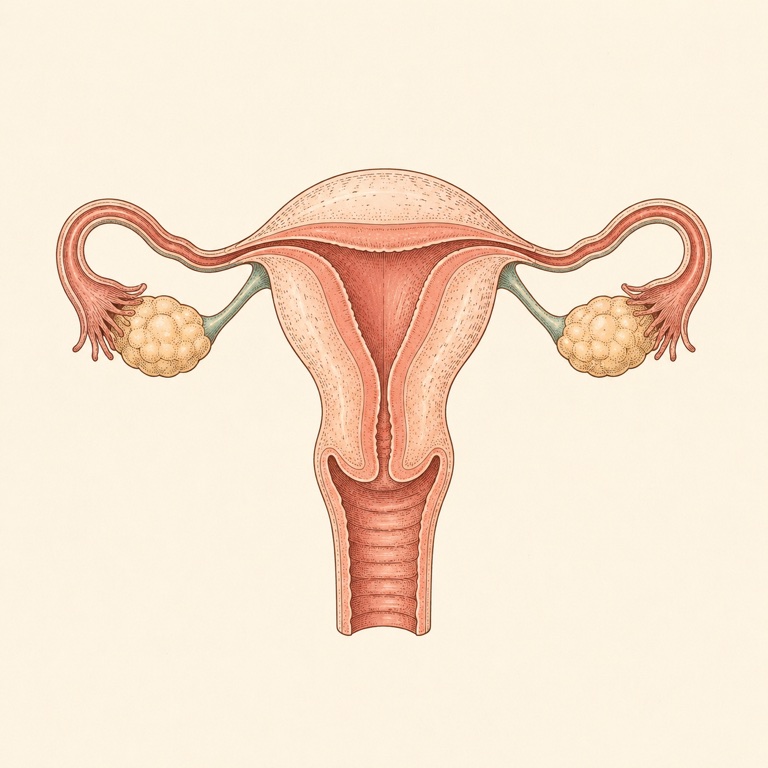
Cervical cancer
Long-lasting infection with high-risk HPV types can cause cervical cells to change before they become cancerous.
- What can you take care of?
- Get HPV vaccination as recommended and attend age-appropriate screening even without symptoms. Precancerous changes often cause no noticeable symptoms.
- When should I go get checked?
- Seek assessment for bleeding after sex, between periods, or after menopause, or for abnormal vaginal discharge.
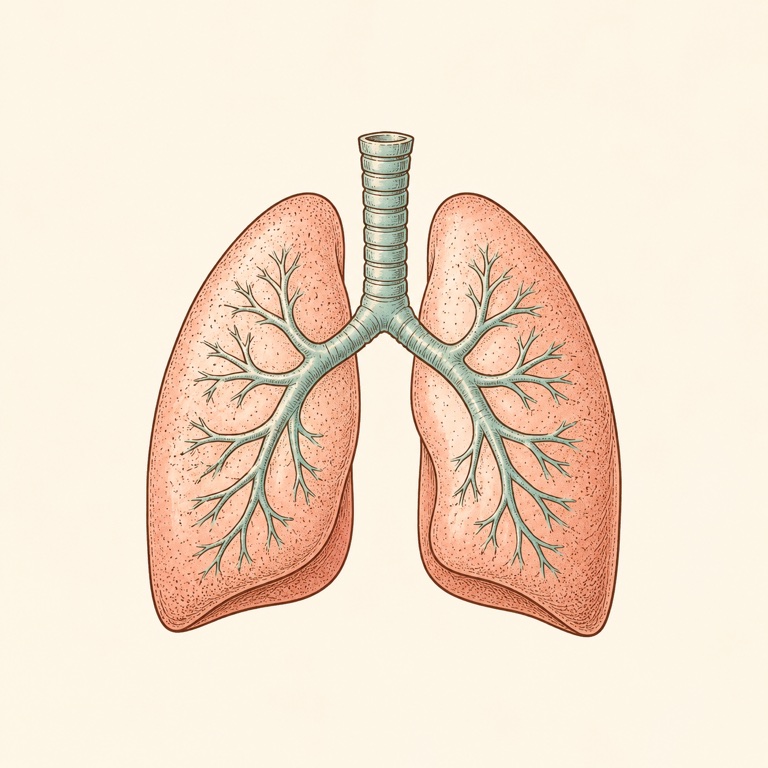
lung cancer
Abnormal growth of lung cells. Smoking is the main risk factor; secondhand smoke and certain occupational or environmental exposures also contribute.
- What can you take care of?
- Avoid smoking and smoke exposure. Discuss low-dose CT screening only if risk criteria are met; a routine chest X-ray is not a substitute.
- When should I go get checked?
- See a doctor for coughing up blood, new breathlessness or chest pain, or a persistent cough or hoarseness with weight loss.
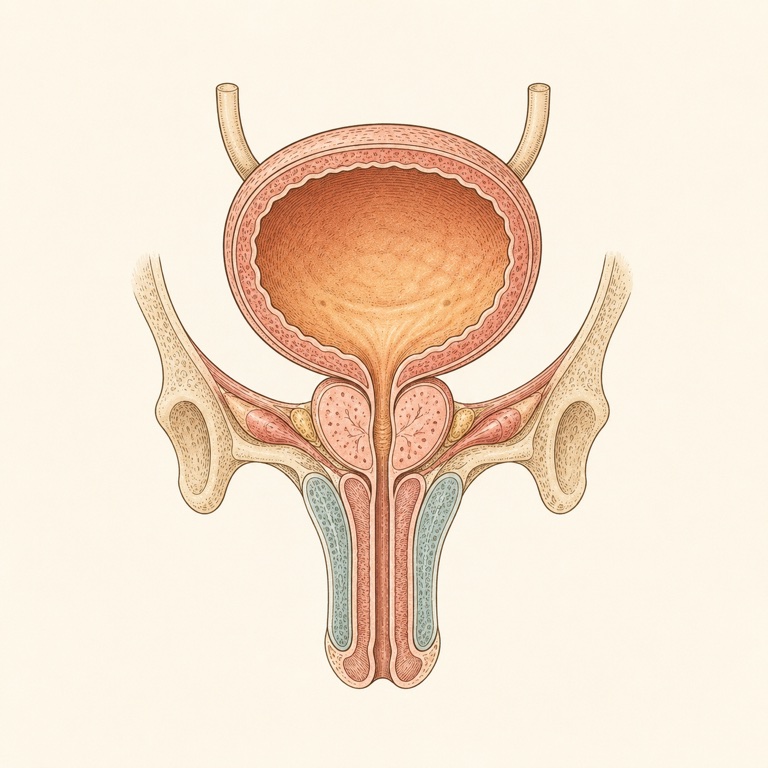
Prostate cancer
Prostate cancer involves abnormal prostate-cell growth. Many cases grow slowly without early symptoms, and urinary symptoms often have benign causes.
- What can you take care of?
- Discuss PSA testing benefits and harms with your doctor based on age, risk, and preferences. One result does not diagnose cancer.
- When should I go get checked?
- Inability to urinate, blood in the urine, persistent bone pain, or leg weakness warrant assessment.
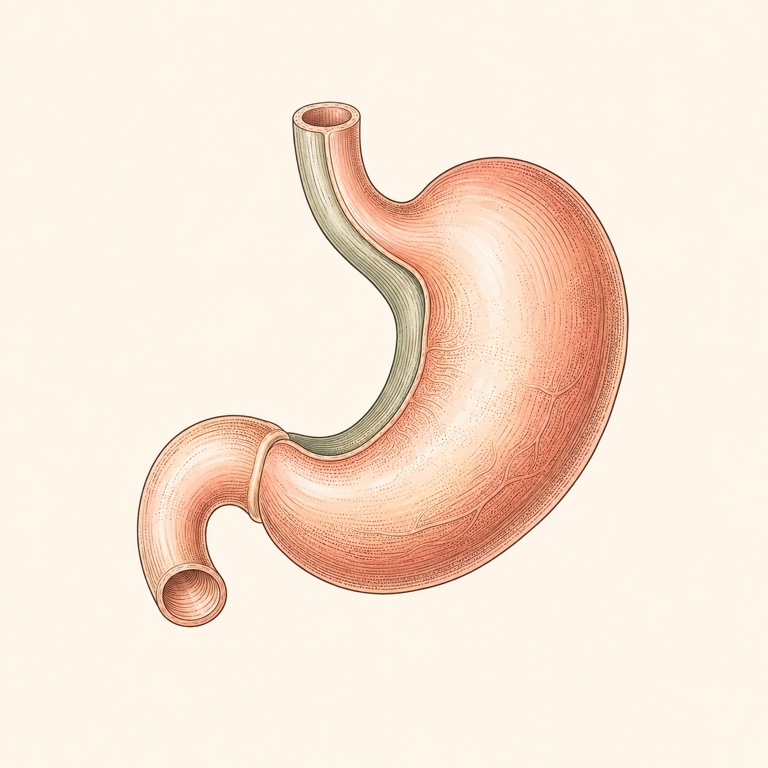
stomach cancer
Abnormal growth of cells in the stomach lining. Early disease may cause no symptoms or resemble reflux or indigestion.
- What can you take care of?
- Treat diagnosed H. pylori as directed, reduce salty foods and processed meats, and avoid smoking. There is no universal screening program for everyone.
- When should I go get checked?
- Seek medical assessment for difficulty swallowing, vomiting blood, black stools, persistent early fullness, paleness, or weight loss.
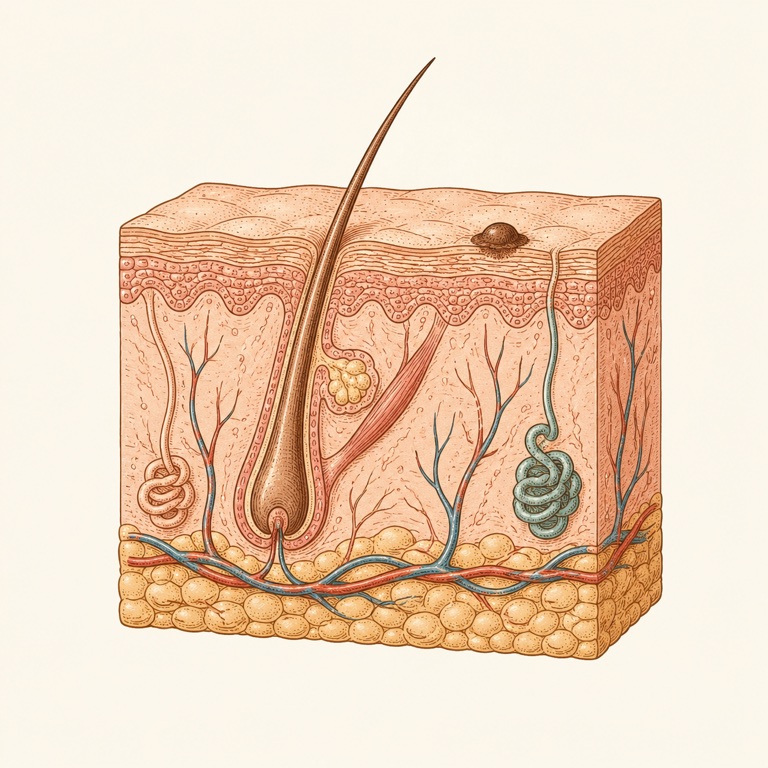
skin cancer
Skin cancers vary in appearance. Have new or changing moles, lumps, or skin lesions assessed.
- What can you take care of?
- Avoid intense sun and use protective clothing, a hat, sunglasses, and sunscreen. Check all of your skin, including areas usually covered.
- When should I go get checked?
- See a dermatologist for a mole changing shape, colour, or size, a non-healing sore, a bleeding lump, or a changing mark under a nail.
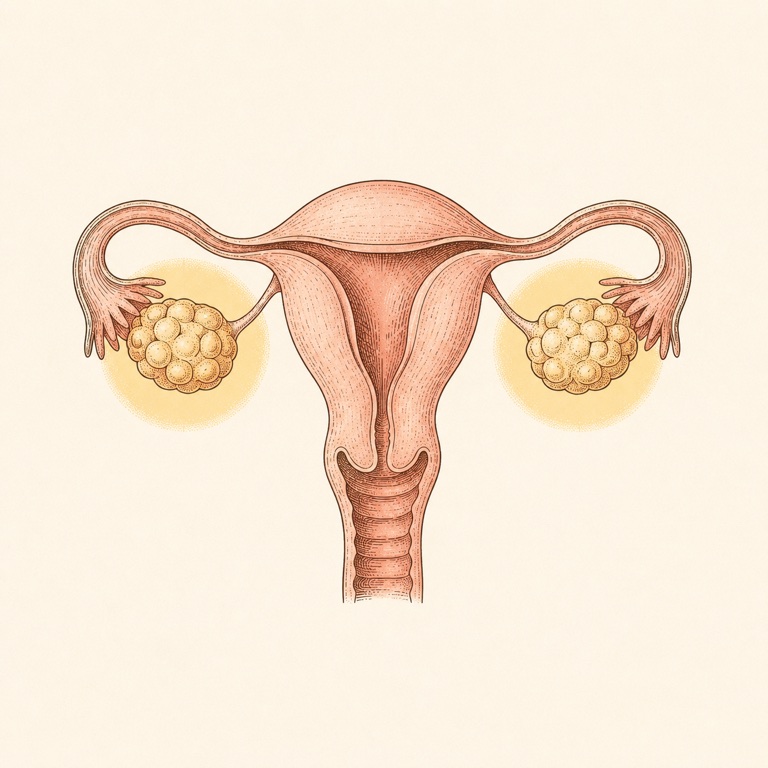
Ovarian cancer
Early stages of ovarian cancer may have no symptoms. When symptoms do occur, they are usually non-specific, such as bloating, feeling full quickly, or pelvic pain.
- What can you take care of?
- Tell your doctor about a family history of breast or ovarian cancer. Some families may benefit from genetic counselling.
- When should I go get checked?
- Arrange an assessment for new, persistent bloating, pelvic pain or pressure, early fullness, or frequent urination.
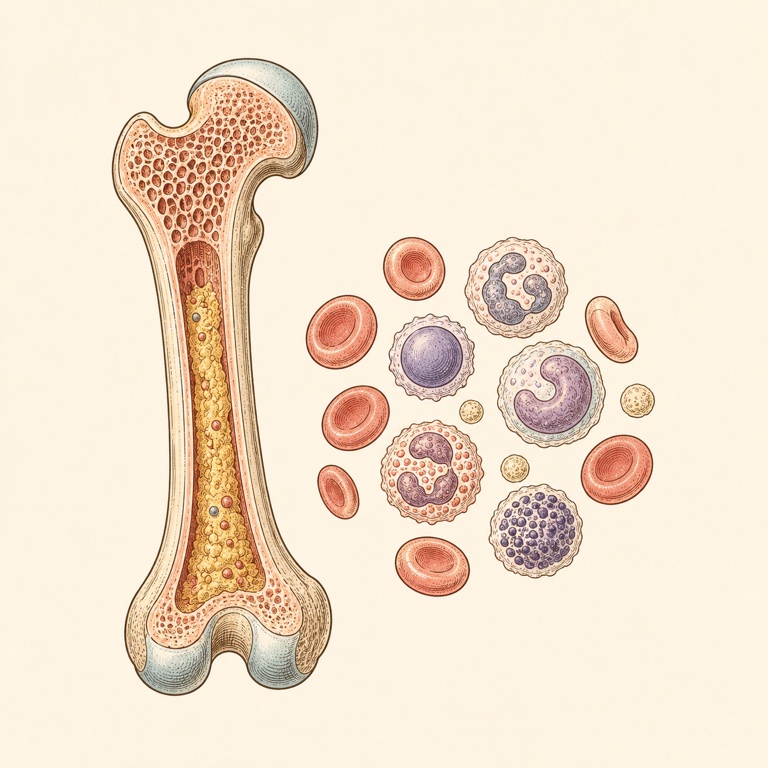
leukemia
Leukemia involves abnormal white blood cell production. Types progress at different rates and require blood and sometimes bone marrow testing.
- What can you take care of?
- No diet or general screening approach prevents every type. Abnormal blood results or persistent symptoms require follow-up as advised.
- When should I go get checked?
- See a doctor for fever with marked fatigue, paleness, easy bruising or bleeding, pinpoint bleeding spots, breathing difficulty, or recurrent infections.
Daily food and care
Reduce risk through several measures rather than relying on one food.
- Do not smoke, limit or avoid alcohol, and protect your skin from ultraviolet radiation.
- Base meals on vegetables, fruit, beans, and whole grains. Reduce sugary, greasy, and highly processed foods and processed meats, and maintain an appropriate weight.
- Review age-appropriate vaccines and screening, and tell your doctor about any family history of cancer.
Read on to understand.
Read on for complete information on health and products.
Main references