


Easy-to-understand health information
Influenza and RSV
Respiratory viruses can resemble a cold but cause severe illness in older adults, young children, pregnant people, and those with chronic conditions. Prevention and early medical advice matter.
Summary before reading further
What is this topic, and why does it matter?
Influenza often begins abruptly with fever, chills, aches, headache, cough, and fatigue, although older adults may not develop fever. RSV often causes cold-like symptoms and cannot reliably be distinguished from other viruses by symptoms alone.
People at higher risk can develop pneumonia or worsening of existing conditions. Contact a doctor early when symptoms begin, as influenza antivirals are most useful when indicated and started promptly.
Health glossary
- RSV
- Respiratory viruses can resemble a cold but become more severe in older adults, young children, or people with chronic conditions.
What happens in the body?
Explain the mechanism step by step.
Respiratory viruses can cause similar symptoms, and testing is useful in some situations. Prevention includes recommended vaccines, ventilation, handwashing, and avoiding close contact when ill.
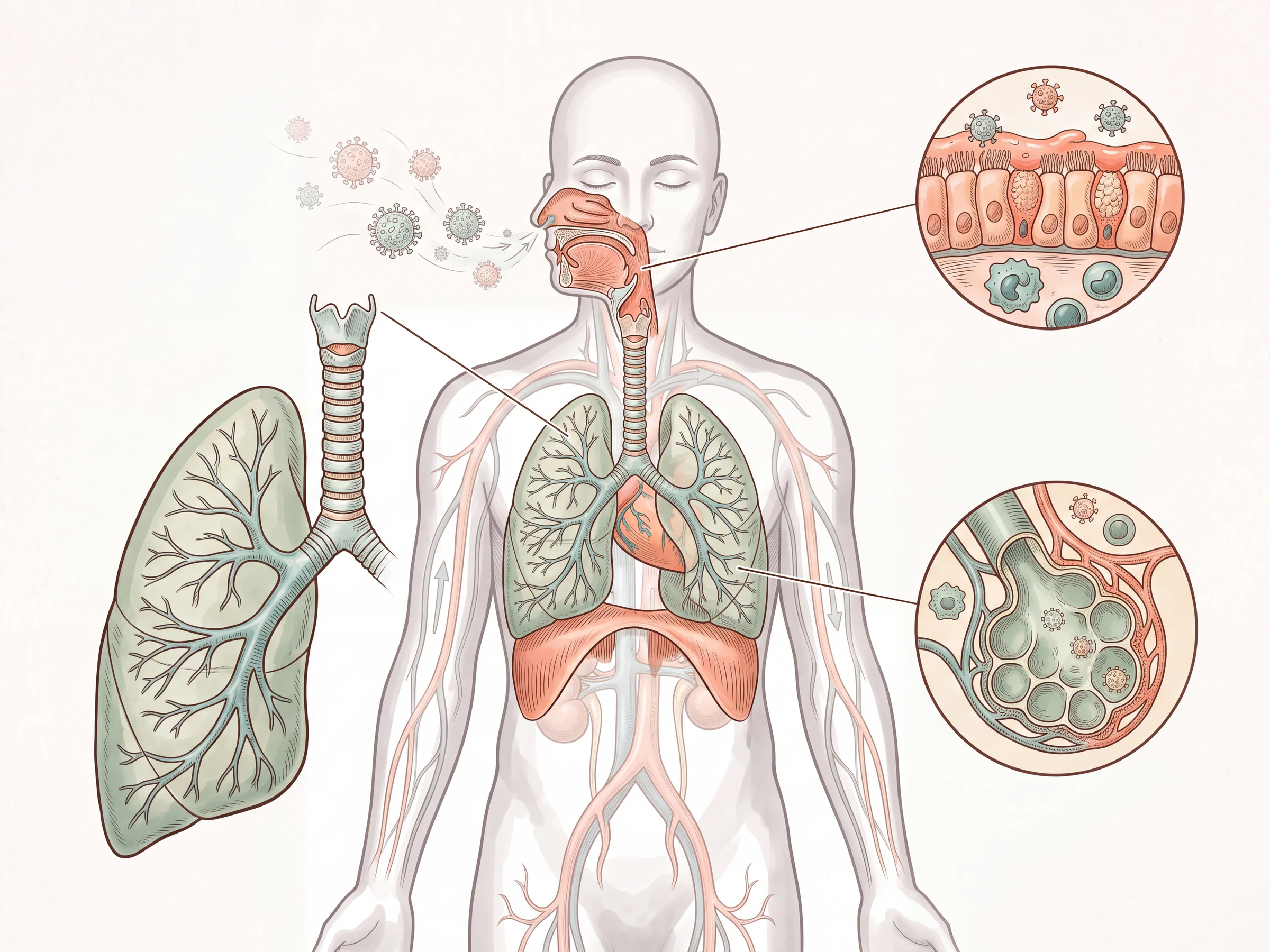
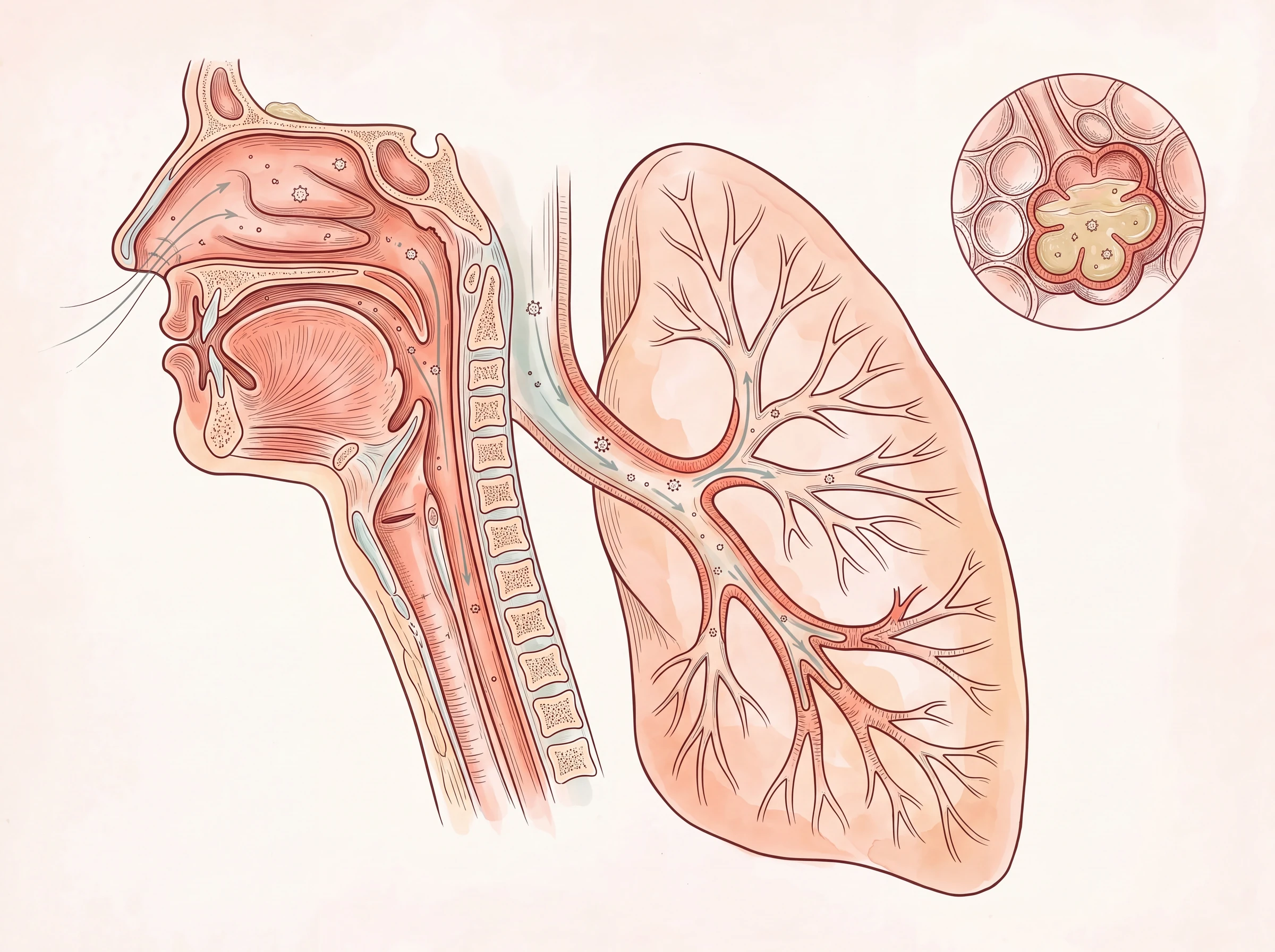
The virus enters the respiratory mucosa.
Droplets and hands carry germs to the nose, throat, and respiratory tract.
The mucosa swells and creates mucus.
The immune response causes fever, aches and pains, nasal congestion, coughing and wheezing.
Some cases spread to the lungs.
Inflammation of small airways and air sacs can lower oxygen levels or cause lung fluid accumulation.
Values or criteria that you should know
Symptom onset and breathing signs matter more than simply waiting for test results.
Influenza and RSV can be more severe in older adults, young children, pregnant people, and those with heart, lung, or immune conditions.
first 48 hours
Time from onset of flu symptoms
- Reference range
- Antiviral medications for influenza are most beneficial when started within 48 hours.
- You should make an appointment for an evaluation.
- People at high risk or with severe symptoms should contact a doctor promptly rather than delaying care while waiting for test results.
- Should be evaluated urgently
- Breathlessness, chest pain, reduced alertness, inability to drink, little urine, or symptoms that improve then worsen need urgent assessment.
Fingertip oxygen saturation
SpO2 at rest when the fingertip is warm and the device signal is steady.
- Reference range
- Usual oxygen readings can vary with lung disease and altitude.
- You should make an appointment for an evaluation.
- A new oxygen saturation below 92%, or a falling reading with breathlessness, needs urgent assessment.
- Should be evaluated urgently
- Call emergency services for blue lips, confusion, severe breathing difficulty, or repeatedly very low oxygen readings. Do not keep measuring while waiting for a better result.
Causes · Symptoms · Examination · Care
See important information in one place.
Causes and related factors
- Contact with droplets from coughs and sneezes or hands and surfaces
- Older age, lung or heart disease, diabetes, and reduced immunity increase the risk of severe illness.
- Closed spaces, crowded places, and poor ventilation
Common symptoms
- Fever, cough, sore throat, runny nose, and aches.
- RSV can worsen asthma or other existing conditions in older adults.
- Rapid breathing, chest retractions, reduced alertness, or blue lips are danger signs.
How do doctors check?
- Evaluate symptoms, oxygen, and comorbidities
- Test for viruses when results have an impact on treatment or control of outbreaks.
- X-rays or other tests when pneumonia is suspected
Start taking care of it systematically.
- Rest, drink appropriate fluids, and avoid sharing personal items while symptomatic.
- Receive vaccines and antiviral treatment when indicated and at the appropriate time.
- If you're short of breath, have chest pain, are confused, can't drink, or have low oxygen, go to the hospital.
Important things you should know
Keep these points in mind.
Elderly people may have unclear symptoms.
Confusion, loss of appetite, or being weaker than usual may be signs of infection. Even without a high fever
Vaccines reduce the risk of severe disease.
Review influenza vaccination and RSV protection with a healthcare professional according to age, risk, and current guidance.
Symptoms alone cannot differentiate the infection.
Test results and the outbreak situation help the treatment team choose the right care.
Daily food and care
Start with manageable everyday steps.
- Rest, drink fluids as your health allows, and choose soft foods that provide enough energy and protein.
- Antibiotics do not treat viruses. Check combination cold remedies for duplicate ingredients and effects on blood pressure.
Read on to understand.
Read on for complete information on health and products.
Main references
