Easy-to-understand health information
Fibromyalgia
Widespread persistent pain and tenderness, fatigue, unrefreshing sleep, and difficulty thinking can relate to increased pain sensitivity rather than inflammation that damages muscle.
Summary before reading further
What is this topic, and why does it matter?
Fibromyalgia involves increased sensitivity in pain processing. Widespread aching, burning, or throbbing pain may occur with fatigue, poor sleep, and concentration problems.
No single blood test or scan confirms the condition. Diagnosis relies on symptom patterns and excluding other causes. Care commonly combines gentle movement, sleep support, therapy, and selected medicines.
Health glossary
- IBS
- Irritable bowel syndrome causes abdominal pain with changes in bowel habits, without intestinal ulcers or cancer being the cause.
What happens in the body?
Explain the mechanism step by step.
Symptoms are real even without a specific blood test or scan to confirm them. Diagnosis relies on symptom patterns and excluding similar conditions. Care often combines movement, sleep, education, and selected medicines.
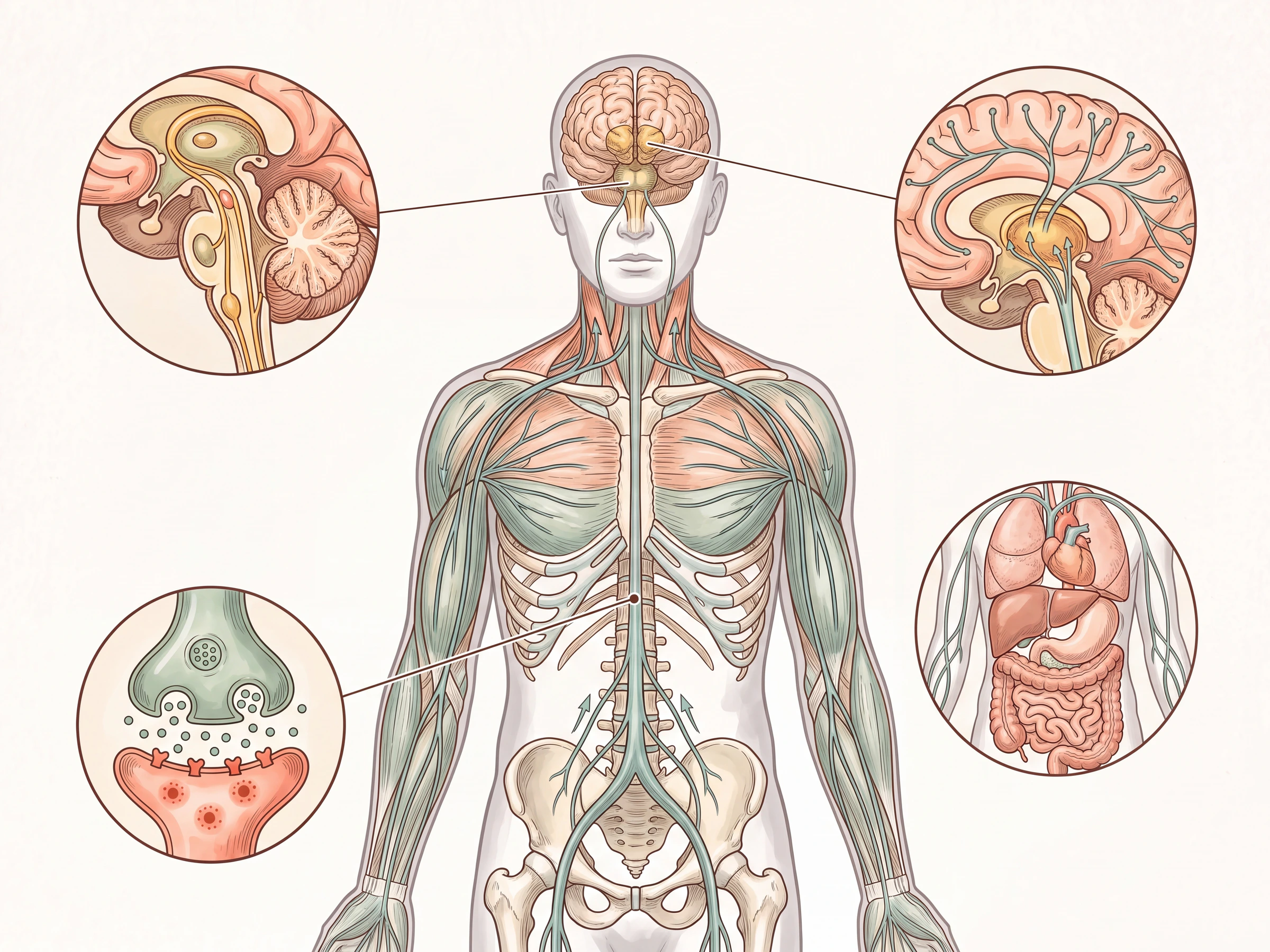
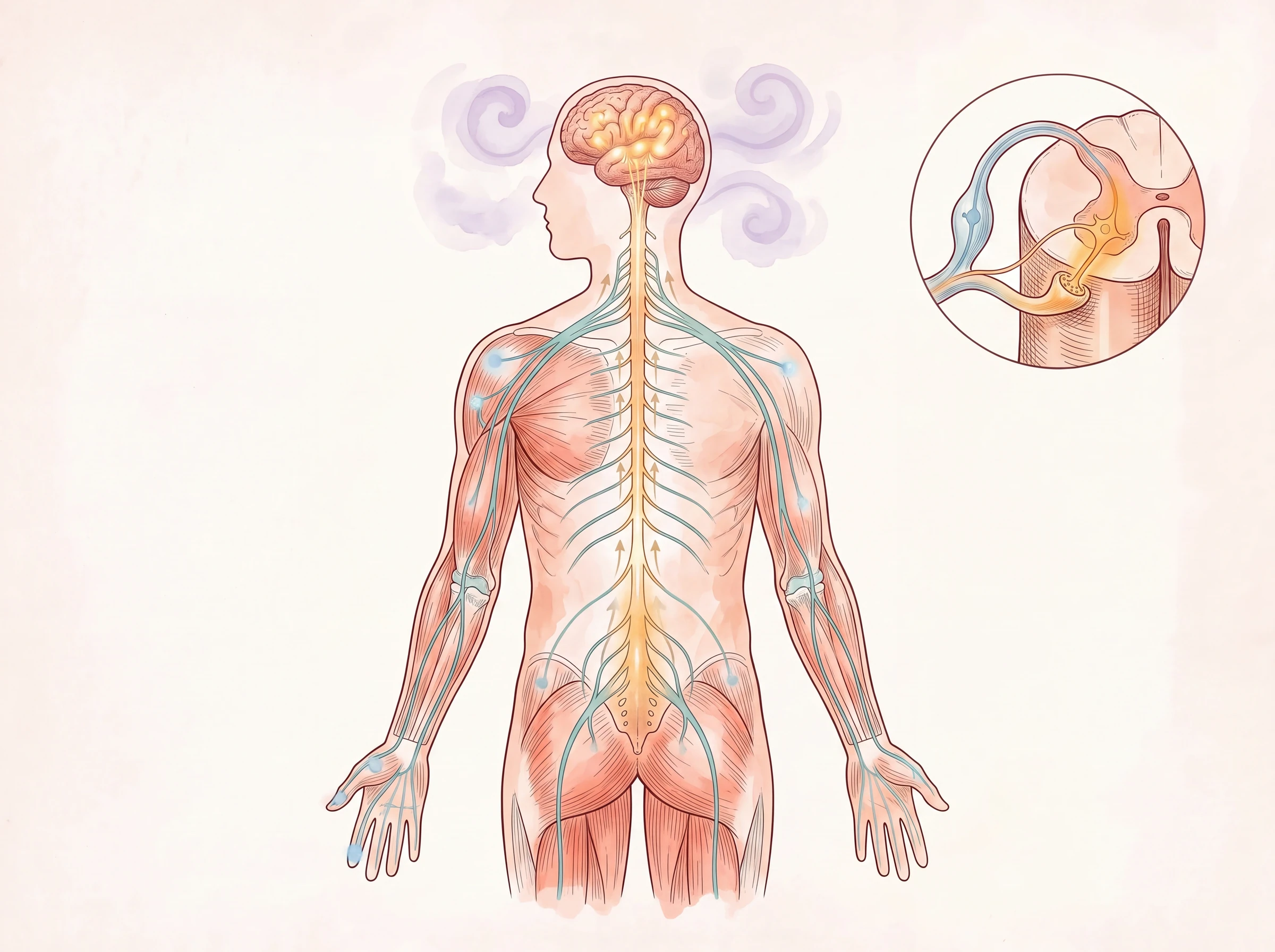
Signals from the body enter the nervous system.
Normal stimuli from muscles and skin also travel through the spinal cord.
Pain Network Amplifies Signal
The brain and spinal cord respond more than normal to pressure, temperature, or movement.
Sleep, stress, and pain sensitivity.
Poor deep sleep and stress can reduce the nervous system's pain-inhibiting activity.
Values or criteria that you should know
There is not a single blood test or imaging test that confirms fibromyalgia.
Diagnosis considers pain distribution, fatigue, sleep, cognition, duration, and whether another condition better explains the symptoms.
duration
Pain in multiple areas along with systemic symptoms
- Reference range
- The pattern must be continuous for at least 3 months to meet the chronic criteria.
- You should make an appointment for an evaluation.
- Clinicians use the Widespread Pain Index and Symptom Severity Scale to assess the pattern. An online score cannot confirm the diagnosis by itself.
- Should be evaluated urgently
- New joint swelling, fever, weight loss, focal weakness, or neurological symptoms should not automatically be attributed to fibromyalgia.
Treatment goals
Assess sleep, activity, and daily functioning alongside pain scores.
- Reference range
- Track changes in the same person over several weeks.
- You should make an appointment for an evaluation.
- If sleep and function continue to deteriorate, comorbid conditions, medications, and activity plans should be reviewed.
- Should be evaluated urgently
- Do not abruptly stop medication or increase to stronger painkillers yourself.
Causes · Symptoms · Examination · Care
See important information in one place.
Causes and related factors
- Genetics and nervous system sensitivity
- Certain illnesses, physical trauma, infections, or stress can act as triggers.
- It is often found in conjunction with migraines, IBS, and sleep problems.
Common symptoms
- Persistent widespread pain and tenderness.
- Fatigue, unrefreshing sleep, and difficulty concentrating or remembering.
- Sensitivity to light, sound, smell, or temperature in some people.
How do doctors check?
- Evaluate the location and duration of symptoms along with their impact on life.
- Assess for thyroid disease, arthritis, anaemia, or other conditions according to symptoms.
- No single blood test or scan confirms the condition.
Start taking care of it systematically.
- Start with a low level of aerobic and resistance exercise and increase it slowly.
- Arrange consistent times for sleep, breaks, and activities.
- Psychological therapies and medicines that modify pain processing may help when appropriate. Avoid long-term opioid use.
Important things you should know
Keep these points in mind.
Symptoms are real even when routine tests are normal.
Not finding muscle damage doesn't mean the pain isn't real.
It is not an inflammatory disease of the tissues.
Anti-inflammatory medicines often do not help fibromyalgia itself, though they may help another coexisting pain condition.
Increase activity gradually
Starting gently and increasing activity consistently is usually better than overexerting yourself only on good days.
Daily food and care
Start with manageable everyday steps.
- Keep regular meal and sleep times, reduce evening caffeine, and choose balanced meals you can maintain over time.
- No single food or supplement treats fibromyalgia. Review supplements with the care team to avoid interactions.
Read on to understand.
Read on for complete information on health and products.
Main references