


Easy-to-understand health information
Constipation
Review fiber, water, movement, medicines, and toilet timing systematically, including when laxatives alone are insufficient.
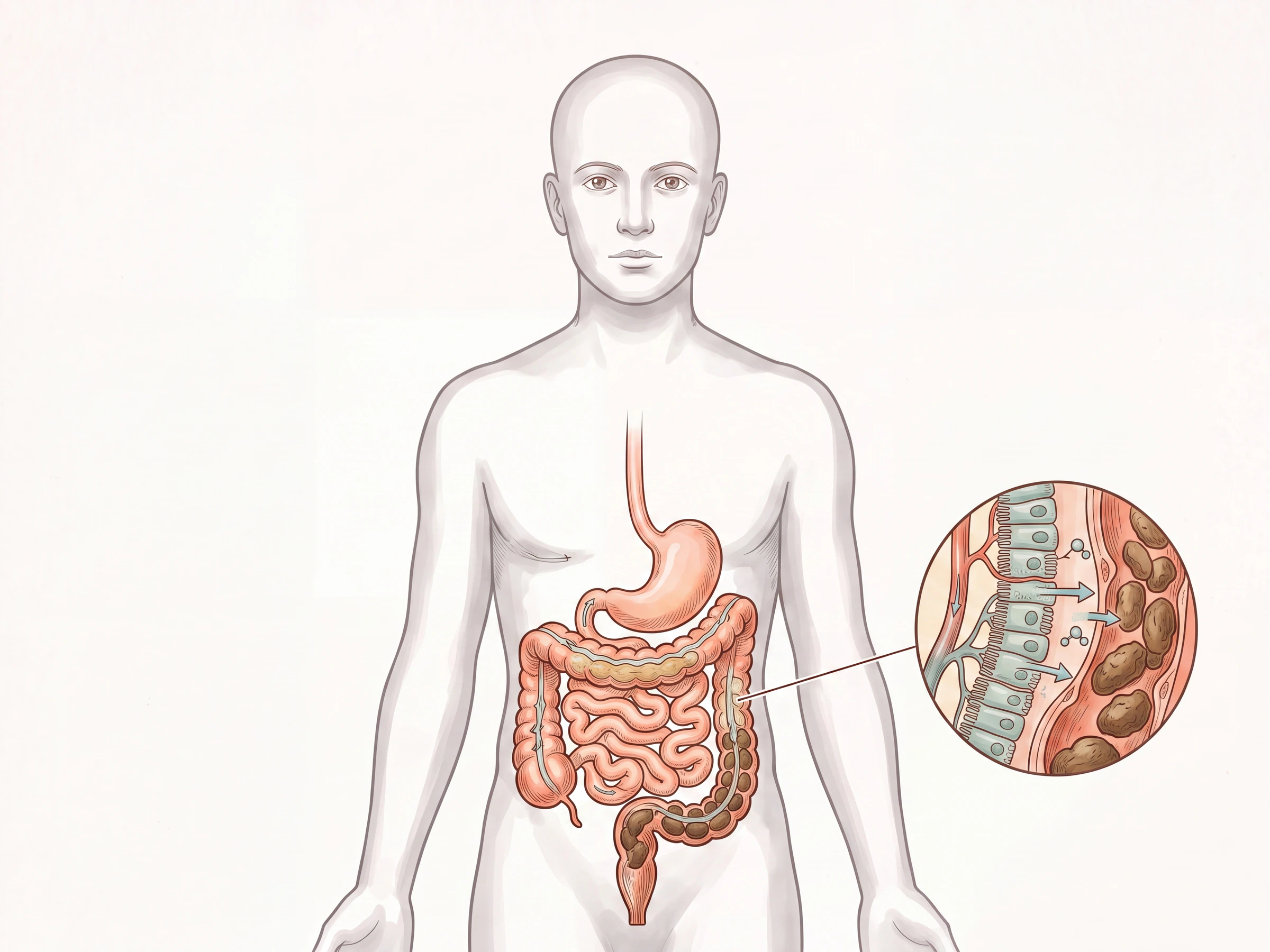
Summary before reading further
What is this topic, and why does it matter?
Constipation does not simply mean missing a daily bowel movement. Hard stools, straining, and incomplete emptying also matter. Diet, fluid, activity, medicines, and medical conditions may contribute.
Increase fiber gradually to limit bloating, drink an appropriate amount for your conditions, and establish regular toilet habits.
What happens in the body?
Explain the mechanism step by step.
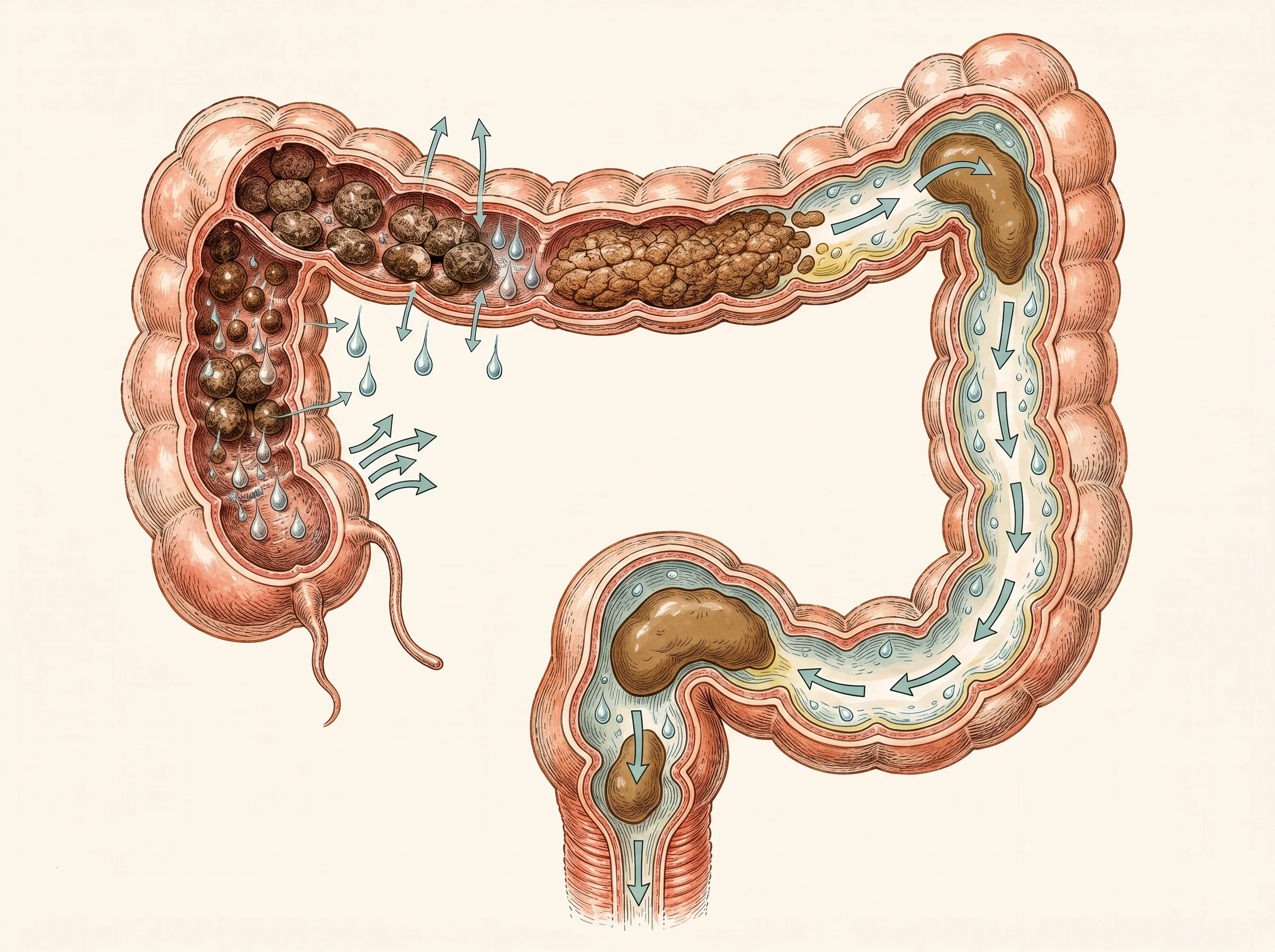
The colon reabsorbs water, so stool can become drier the longer it remains. Holding it in, insufficient fluid or fiber, certain medicines, hypothyroidism, and pelvic floor problems can affect bowel function.
moving slowly
Slower stool movement allows more water to be absorbed, making stools harder.
Signals controlling bowel movements are disrupted.
Frequently suppressing the urge to go can disrupt the bowel's natural emptying signals.
The pelvic floor fails to relax
The pelvic floor tightens instead of relaxing, causing straining and incomplete emptying.
Values or criteria that you should know
Consider stool frequency, form, and the need to strain.
Frequency alone does not define constipation. Even daily bowel movements may involve constipation if stools are hard, straining is needed, or the bowel feels incompletely emptied.
Frequency
Bowel movements per week.
- Reference range
- Bowel patterns differ, but passing stool should be comfortable and without a marked change from your usual pattern.
- You should make an appointment for an evaluation.
- Less than 3 times per week is one of the criteria for constipation.
- Should be evaluated urgently
- Inability to pass stool with severe abdominal pain, swelling, vomiting, or inability to pass gas requires assessment for bowel obstruction.
Bristol stool scale
Bristol stool types 1–7.
- Reference range
- Types 3–4 usually pass easily.
- You should make an appointment for an evaluation.
- Bristol stool types 1–2 with straining or difficulty passing stool support constipation.
- Should be evaluated urgently
- See a doctor for blood in the stool, black stools, paleness, weight loss, or a new change in bowel habits.
Causes · Symptoms · Examination · Care
See important information in one place.
Causes and related factors
- Low fibre intake, inadequate fluids, and inactivity.
- Iron supplements, opioid painkillers, and anticholinergic medicines.
- Hypothyroidism, diabetes, nerve disorders, or pelvic floor dysfunction.
Common symptoms
- Fewer than three bowel movements per week.
- Hard stools, excessive straining, or incomplete bowel movements
- Bloating, abdominal pain, or needing to use your fingers to help.
How do doctors check?
- Review symptoms, foods, medications, and warning signs.
- Perform physical and rectal examinations as appropriate.
- Persistent constipation may require testing of bowel transit or pelvic floor function.
Start taking care of it systematically.
- Add fiber gradually with water.
- Try using the toilet after breakfast, place your feet on a footstool, and respond to the urge to go.
- Move daily and choose a laxative with an appropriate mechanism when needed.
Important things you should know
Keep these points in mind.
Look at both frequency and difficulty.
Bowel frequency alone does not establish whether bowel function is normal.
Medication may be the cause.
Painkillers, iron, and some other medicines can cause constipation.
Gradually increase dietary fiber.
Vegetables, fruit, beans, and whole grains help form stools. Adjust fibre intake to your symptoms.
Daily food and care
Start with manageable everyday steps.
- Reduce sugary, greasy, and highly processed foods that displace fibre-rich foods in daily meals.
- Add vegetables, fruit, beans, and whole grains gradually, with appropriate fluid intake.
- Frequent reliance on laxatives warrants a review of the cause and medication with a healthcare professional.
Read on to understand.
Read on for complete information on health and products.
Select product from label information
Choose a formula from the information that can be verified.
A varied diet remains the foundation. Explore the products below to compare formulas, formats, and label information.
Review what you regularly eat before deciding what to supplement.
Compare ingredients, quantity, product form and warnings on the label
Consult a healthcare professional if you have an existing condition, take medication, or have surgery planned.
Supplements complement diet and routines. Follow the label and any treatment plan for existing conditions.
Main references
