


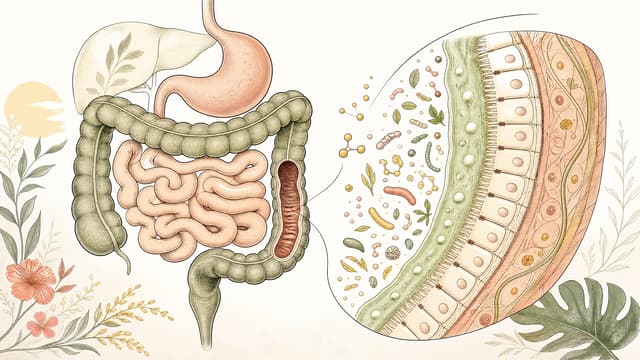
Beneficial gut microorganisms help break down remaining fiber and produce short-chain fatty acids. These provide energy for cells lining the gut, support the mucus barrier, and participate in immune signaling. Gut balance is therefore linked with digestive comfort, bowel regularity, and overall health.

When choosing probiotics, look beyond the microorganism count to the full name and strain code. Different strains have different roles. Matching the strain to your goal makes it easier to relate your choice to the available research.
This map covers 25 areas linking probiotics with health, from bowel function and the gut barrier to energy metabolism and gut-brain communication, with guidance for understanding each context.
Different types of evidence answer different questions.
Understand which questions the evidence answers and what remains uncertain.
Outcomes depend on the population, use, and health context. Findings in one group do not guarantee results for everyone.
Digestive system balance
Restoring intestinal balance during periods of disturbed digestion.
Evidence supports specific formulations and strains in certain settings. Choosing according to the situation matters.
- Antibiotic-associated diarrhoea.Certain probiotic strains have evidence for reducing antibiotic-associated diarrhea in children and younger adults. Effects depend on the specific strain and context.
- Intestinal infection while taking antibioticsCertain probiotic formulations have been studied for maintaining microbial balance and reducing specific bacterial complications during antibiotic use. Follow the care team's guidance when choosing one.
- Pouchitis: inflammation of an ileal pouch after colon surgery.After colon surgery, an internal pouch may be formed from the small intestine. Certain multi-strain probiotic formulations have evidence for maintaining remission in some patients when used under a gastroenterologist's plan.
- Constipation in adultsCertain probiotic strains have evidence relating to bowel movement frequency. Consider them alongside fiber, water, and movement.
- Chronic ulcerative colitisSome probiotic formulations have been studied as an addition to gut care, alongside a doctor's treatment plan to control inflammation.
Everyday digestive comfort.
Support digestive comfort and regular bowel movements.
Research covers a range of probiotics. Choose a strain according to symptoms, goals, and individual clinical advice.
- irritable bowel syndromeCertain formulations have been studied for digestive comfort, bloating, and bowel patterns. Assess a specific goal and monitor individual response.
- Crohn's disease, a form of inflammatory bowel disease.Microorganisms and intestinal inflammation are an active research area. Discuss probiotic choices within your medical care plan.
- Acute infectious diarrheaProbiotic effects depend on strain, age, and setting. Rehydration and electrolyte replacement come first, with care directed at the cause.
- Travellers' diarrhoea.Certain probiotic strains have been studied in travelers. Safe water, hygiene, and freshly cooked food remain important.
- Colon diverticulumGut balance is being studied. Start with appropriate fiber, fluids, and an individual care plan.
The intestines and metabolism
Communication between the gut and the metabolic system
Gut microorganisms interact with energy, glucose, fat, and liver metabolism, making them an active research area.
- ObesityThe microbiome is linked with energy use and diet. Consider probiotics within a routine of balanced meals, adequate sleep, and regular movement.
- type 2 diabetesProbiotics have been studied in insulin response and blood glucose regulation as an addition to nutrition, activity, and the main treatment plan.
- Metabolic fatty liver disease.Gut-liver communication is involved in metabolism. Probiotics are being studied alongside diet, weight management, and activity.
- Blood lipids and heart diseaseSome probiotic trials report changes in blood lipids. This is an additional area of interest within cardiovascular care, alongside managing LDL cholesterol, blood pressure, and blood sugar and avoiding smoking.
- high blood pressureMicrobial products are linked with blood vessel function. Gut care belongs within a wider plan of diet, movement, and prescribed medicines.
Intestinal barrier and immunity.
Supporting the intestinal barrier and its interaction with immunity.
The gut lining, microorganisms, and immune system interact. Consider appropriate food and strain-specific evidence when assessing probiotics.
- allergic skin rashSome probiotic formulas have been studied in pregnancy, infants, and children, with results depending on the strain, time period, and family context.
- Food allergies and asthmaThe early microbiome is associated with immune development, an area relevant to childhood nutrition and gut research.
- Colds and respiratory infectionsCertain probiotic strains have been studied for respiratory outcomes. They are additional to vaccination, handwashing, sleep, and ventilation.
- Conditions in which the immune system attacks the body's own tissues.Microbiome-immune communication is an active research area alongside established treatment and condition-specific nutrition.
- Colon cancerThe microbiome is a major area of colon-health research. Age-appropriate screening, fiber, movement, and avoiding smoking remain important.
Gut, brain, and healthy aging
The gut, brain, sleep, and healthy ageing.
Gut-brain signals travel through neural, hormonal, and immune pathways, linking digestion with mood, rest, and energy.
- Anxiety and depressionCertain strains have been studied in gut-brain communication. Consider them alongside sleep, stress management, and appropriate mental health care.
- sleep qualitySome studies examine links with sleep quality. Consider the strain and dose, and monitor your own response.
- Memory and dementiaMicrobiome-brain communication is being studied in memory and aging. Sleep, movement, and vascular health remain important.
- osteoporosisGut function is being studied in relation to mineral absorption and bone mass. Protein, calcium, vitamin D, and resistance exercise remain foundations.
- Frailty and muscle mass in old ageGut-muscle communication is an area of growing research interest. Adequate protein, resistance exercise, and management of existing conditions remain important.
Things you can start doing
Start with practical steps.
- Gradually add prebiotic foods such as vegetables, fruit, beans, and whole grains to nourish beneficial gut microbes.
- Choose a probiotic that clearly lists the genus, species, strain code, viable count through expiry, and storage instructions.
- Choose an observable goal, such as digestive comfort or bowel frequency, and review progress at the interval on the label or recommended by a professional.
